When a war breaks out in the Middle East, the economic tremors tend to register first in oil markets, then in inflation statistics, and finally — if the disruption is severe enough — in the daily lives of ordinary people. The current conflict is registering in all three places simultaneously. But nowhere is that last consequence more visceral than in India, where a shortage of cooking gas has turned a geopolitical crisis into a kitchen crisis for hundreds of millions of households.
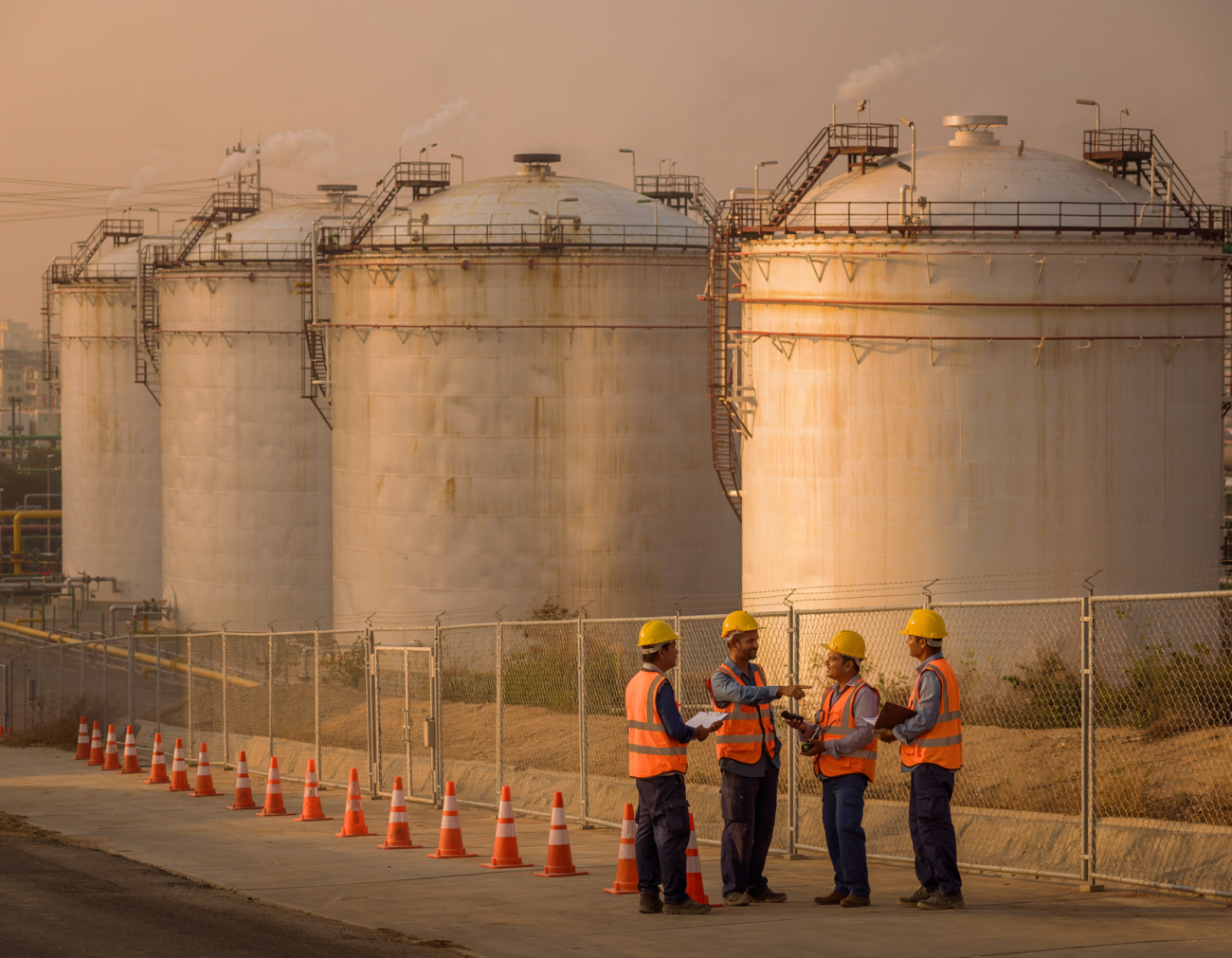
Indian Oil Corporation and Bharat Petroleum Corporation — two of India’s largest state-run refiners — have postponed routine maintenance shutdowns at several of their plants, operating at or above 100% utilisation to squeeze every possible barrel of output from their existing capacity. Sujata Sharma, a joint secretary at India’s oil ministry, confirmed the situation at a government briefing in New Delhi on Monday. “All refineries are operating at peak capacity, with some exceeding 100% utilisation,” she said.
The decision to defer maintenance is not a small one. Running refinery equipment beyond its scheduled service intervals introduces real risks of mechanical failure, accelerated wear, and costly unplanned outages down the line. That India’s government has been willing to accept those risks speaks directly to the scale of the supply crisis it is managing.
Why India Is So Exposed
India is the world’s third-largest oil consumer and the second-largest importer of liquefied petroleum gas in the world. Approximately 60% of the country’s LPG demand is met through imports, of which around 90% passes through the Strait of Hormuz — the same waterway that has been effectively closed since the US and Israel launched Operation Epic Fury against Iran on February 28. About half of India’s crude oil imports also transit this corridor, sourced primarily from Saudi Arabia, the UAE, Kuwait, and Qatar.
The numbers reveal a structural vulnerability that has been largely invisible in peacetime but has been exposed with sudden severity by the conflict. India’s LPG imports fell more than 45% month-on-month to approximately 1.12 million tonnes in March 2026, down from roughly 2.04 million tonnes in February. The drop directly followed the Hormuz disruption. The average price of the Indian crude basket surged from $69 per barrel in February to $113 per barrel in March — a 64% increase in a single month, described by Pankaj Srivastava of Rystad Energy as a “steep rise in procurement costs.”
That price rise has flowed almost immediately into Indian households. On March 7, the price of a 14.2-kg domestic LPG cylinder increased by ₹60 in Delhi, pushing the cost to ₹913 — roughly $9.50. In parts of the country, black market prices have reportedly reached ₹3,600 per cylinder, more than three times the official rate. People queued for three or four days at gas distribution centres in some cities. The petroleum ministry conducted more than 12,000 raids and seized over 15,000 LPG cylinders in an attempt to crack down on hoarding and black marketing.
Emergency Measures and Diplomatic Manoeuvring
The government’s response has been both administrative and diplomatic. Under emergency powers invoked through the Essential Commodities Act, India barred refiners — including Reliance Industries’ export-oriented unit — and petrochemical plants from using LPG as a feedstock, redirecting the fuel to household use. Commercial LPG allocations to restaurants, hotels, and canteens were slashed by up to 80%, forcing thousands of establishments across Delhi, Mumbai, Bengaluru, and other cities to shut down, switch to coal and firewood, or remove gas-dependent items from their menus.
On the diplomatic front, India pursued a careful dual-track approach. New Delhi negotiated directly with Tehran to facilitate safe passage of eight LPG cargo vessels through the Strait of Hormuz — enough to cover roughly four days of national demand — and separately secured Iranian crude supplies for the first time since 2019. India’s oil ministry said refiners had secured crude from more than 40 countries, including Iran, amid the supply disruption. The government also sought and received U.S. waivers allowing purchases of Iranian crude, at least on a temporary basis. Sharma declined to specify how many barrels of Iranian crude had been procured or how the payments were being settled, saying: “These are all commercial decisions, and also depend on currency conversion rates.”
India’s posture throughout has been one of studious neutrality — the country condemned strikes on American bases without directly mentioning Iran, called for a ceasefire involving all three parties, and explicitly chose not to join the U.S.-led naval coalition to protect Hormuz shipping. “India has chosen to negotiate bilaterally with Iran for safe passage instead of joining Washington’s proposed naval coalition — a deliberate act of distance,” said Bhattacharya, reflecting a broader view among analysts that New Delhi is prioritising energy pragmatism over geopolitical alignment.
The Nayara Complication
Not all of India’s refining capacity has been able to defer maintenance. Nayara Energy — a private company backed by Russia’s Rosneft — confirmed it would proceed with a month-long shutdown of its 400,000-barrel-per-day Vadinar refinery in Gujarat from April 9. The outage was originally scheduled for 2025 but had been delayed because EU sanctions made it difficult to source the specialised equipment required for the turnaround. With those parts now in hand, the shutdown can no longer be deferred.
The timing is painful. Nayara’s Vadinar facility is one of the largest refineries on India’s west coast, and its absence from the supply chain for a month is expected to further tighten LPG availability at precisely the moment when the country is most vulnerable. The government says it plans to offset the shortfall through imports and redirected output from other refineries, but every supplementary tonne of LPG imported while the Hormuz blockade persists will come at elevated cost, with elevated logistics risk and uncertainty.
The Human Scale of the Crisis
The statistics paint the broad picture, but the human consequences have been documented in granular detail across India’s cities. Restaurants serving dosa and butter chicken — both gas-intensive dishes — have closed or switched them off menus. Street food vendors who built businesses around samosas and chai have been forced to improvise or shut down entirely. “We are boiling chai on the induction top but it’s not the same,” said the owner of a tea shop in Jaipur. “It doesn’t get the same flavour. There’s a certain heat and flavor that you can only get from a gas stove.”
The crisis has also set off a broader market response. Sales of induction cooktops surged 30-fold on Amazon India in the weeks following the supply disruption. Models sold out across e-commerce platforms. Quick-commerce services ran out in major metro areas. For the government, this spontaneous consumer transition to electric cooking is, in the long run, a desirable shift toward energy security — but its involuntary, panicked character is a reminder of how little time citizens had to adapt.
India is also deferring maintenance at coal-fired power plants to ensure adequate electricity supply for the summer months, as higher LNG prices have curbed the use of gas-fired capacity that typically supports the grid. The energy emergency, in other words, is not confined to cooking gas. It is moving through India’s entire energy infrastructure simultaneously.
A Structural Lesson Written in Crisis
The LPG crisis has exposed a vulnerability that Indian energy planners have known about in theory but struggled to address in practice: the country’s overwhelming dependence on a single maritime corridor for the fuel that hundreds of millions of its citizens use every day to cook. Accelerating the build-out of piped natural gas connections — which rely on domestic gas fields and are therefore insulated from Hormuz disruptions — is one clear long-term lesson. India installed 580,000 new piped gas connections in March 2026 alone.
But piped gas takes years and significant capital to expand to the scale required. In the meantime, India is running its refineries beyond design limits, buying crude from a country it has not traded with in seven years, and watching its citizens stand in queue for hours to secure something as basic as the ability to cook dinner.
The war in Iran is many things to many countries. In India, it is a cooking gas crisis.
Written by Shalin Soni, CMA specializing in financial analysis, global markets, and corporate strategy, with hands-on experience in financial planning and analytical decision-making.
ALSO READ
• OPEC+ Debates Output Hike as Iran War Disrupts Global Oil Supply
• Hyundai Flags Export Disruptions as Middle East Conflict Strains Global Shipping
• Credit Card Rate Cap Could Cut Off Over 100 Million Americans From Credit, Analysis Warns
Source: Based on Bloomberg and publicly available information.
Disclaimer
This article is based on publicly available information, market developments, and credible media reports. The content is intended for informational and analytical purposes only and should not be considered financial, investment, or legal advice.