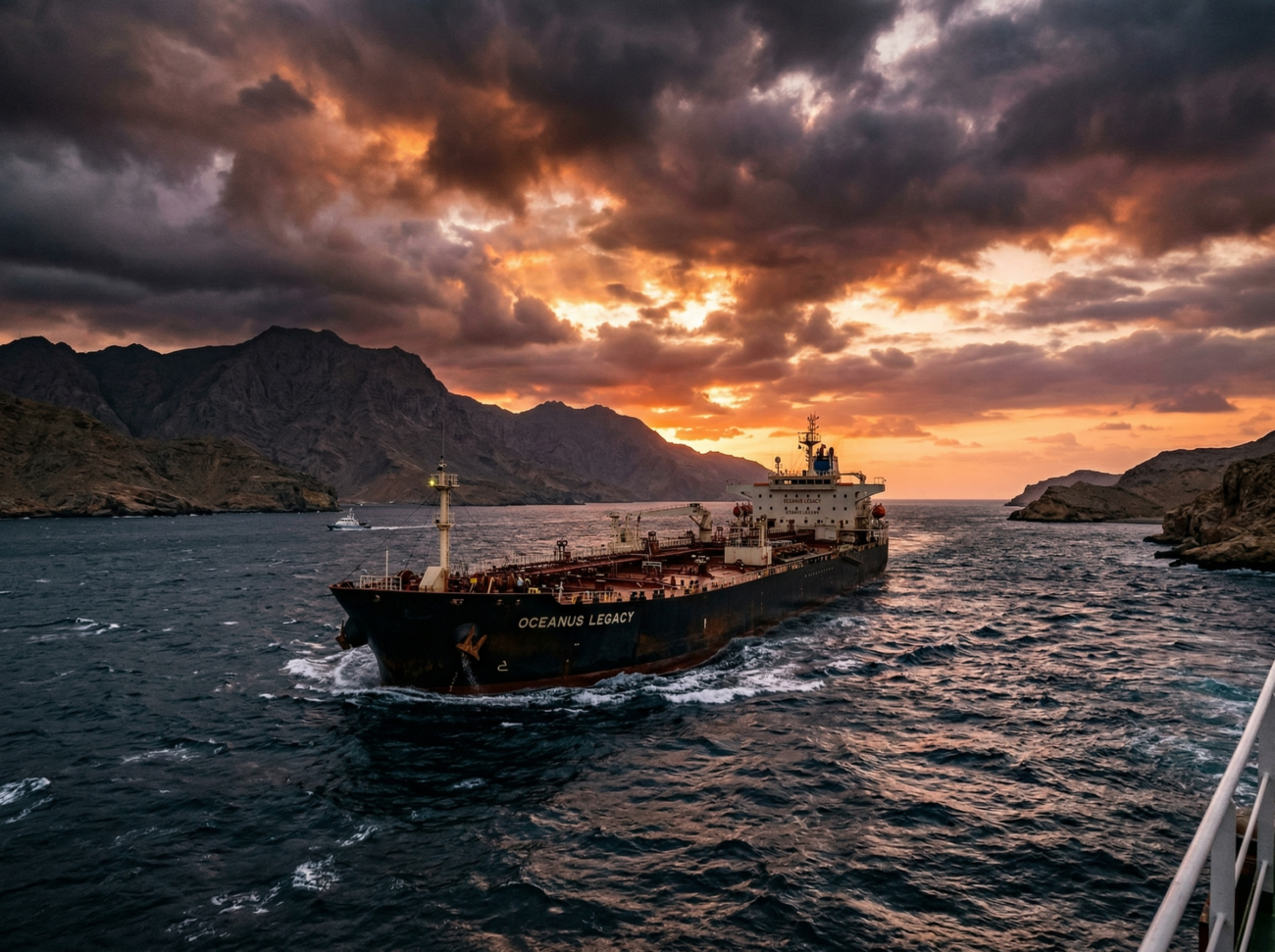
China and Pakistan have jointly called for an immediate ceasefire and the reopening of the Strait of Hormuz, marking a significant diplomatic intervention in a conflict that has entered its fifth week and continues to disrupt global energy and trade flows. Accordingly to Bloomberg, the joint initiative, announced following high-level talks in Beijing, underscores growing international urgency to stabilize one of the world’s most critical energy chokepoints.
Strategic Context: Hormuz at the Center of Global Energy Flows
The Strait of Hormuz remains the focal point of the crisis, having been effectively disrupted since the conflict began on February 28, 2026. The waterway typically handles around 20% of global seaborne oil trade, making any disruption a systemic shock to global markets.
The ongoing conflict has already halted a significant portion of shipping activity, with hundreds of vessels stranded and energy exports severely constrained. This has amplified volatility in oil markets and heightened inflationary pressures globally.
Diplomatic Initiative: A Five-Point Framework for De-Escalation
China and Pakistan have proposed a five-point peace initiative, calling for:
- Immediate ceasefire across the region
- Launch of diplomatic negotiations
- Protection of civilian infrastructure
- Safeguarding of energy and trade routes
- Restoration of normal navigation through Hormuz
The proposal emphasizes that “dialogue and diplomacy are the only feasible ways” to resolve the conflict, signaling a coordinated effort to shift the crisis toward negotiation rather than escalation.
Pakistan’s Role: Emerging as a Key Mediator
Pakistan has positioned itself as a central diplomatic intermediary, leveraging its 900-kilometer border with Iran and longstanding ties with both Tehran and Washington.
Recent diplomatic efforts include hosting regional talks with countries such as Turkey, Egypt, and Saudi Arabia, further reinforcing its role as a neutral facilitator in the conflict. This positioning reflects a broader strategic effort to reassert geopolitical relevance amid a rapidly evolving crisis.
Market Impact: Energy and Trade Under Pressure
The disruption of Hormuz has already triggered significant economic consequences. Oil prices have surged above $100 per barrel, while global supply chains face increasing strain due to constrained shipping routes.
The strait’s closure has also impacted broader commodity markets and industrial supply chains, with analysts describing the disruption as one of the most severe since the 1970s energy crisis.
Even limited vessel movement such as a handful of ships successfully navigating the strait has been viewed as a significant development, highlighting the scale of the disruption.
Geopolitical Dynamics: A Shift Toward Multipolar Mediation
The joint China–Pakistan initiative reflects a broader shift in global diplomacy, where non-Western powers are increasingly taking active roles in conflict resolution. China, while maintaining a neutral stance, has strong economic ties to the region and a vested interest in ensuring stable energy flows.
At the same time, the United States has continued to signal potential military escalation if the strait remains blocked, creating a complex geopolitical environment where diplomacy and deterrence coexist.
Structural Implications: Energy Security as a Strategic Priority
The crisis underscores the critical importance of energy security in global geopolitics. With approximately 20 million barrels of oil per day typically passing through the strait, disruptions have immediate and far-reaching consequences for both developed and emerging economies.
Countries heavily dependent on energy imports are already implementing emergency measures, while businesses face rising costs and operational uncertainty.
Forward Outlook: Can Diplomacy Reopen Hormuz?
Looking ahead, the success of the China–Pakistan initiative will depend on whether key stakeholders including the United States and Iran are willing to engage in meaningful negotiations. While diplomatic momentum appears to be building, the persistence of military tensions suggests that reopening Hormuz may remain a complex and uncertain process.
Markets are likely to remain highly sensitive to developments, with any progress toward de-escalation potentially triggering sharp reversals in oil prices and risk assets.
Expert Insight
The China–Pakistan ceasefire initiative is not just a diplomatic gesture as it represents a strategic inflection point in global crisis management.
What makes this moment significant is the convergence of three forces: energy disruption, geopolitical fragmentation, and the rise of alternative diplomatic actors. Unlike previous crises dominated by Western-led negotiations, this phase reflects a more multipolar approach to conflict resolution.
For markets, the implication is clear: the stability of global energy flows is no longer solely dependent on military outcomes, but increasingly on diplomatic coordination across competing power blocs.
If successful, this initiative could redefine how future geopolitical crises are managed. If not, the continued disruption of Hormuz risks prolonging a cycle of energy volatility, inflation, and global economic instability.
Written by Shalin Soni, CMA specializing in financial analysis, global markets, and corporate strategy, with hands-on experience in financial planning and analytical decision-making.
ALSO READ
• Microsoft Faces UK Antitrust Probe as Cloud Dominance Comes Under Scrutiny
• Brent Crude Surge Signals Global Economic Shock as Iran Conflict Escalates
• Raiffeisen to Buy BBVA Romania Unit for $680M, Becomes Top 3 Bank
Disclaimer
This article is based on publicly available information, market developments, and credible media reports. The content is intended for informational and analytical purposes only and should not be considered financial, investment, or legal advice.