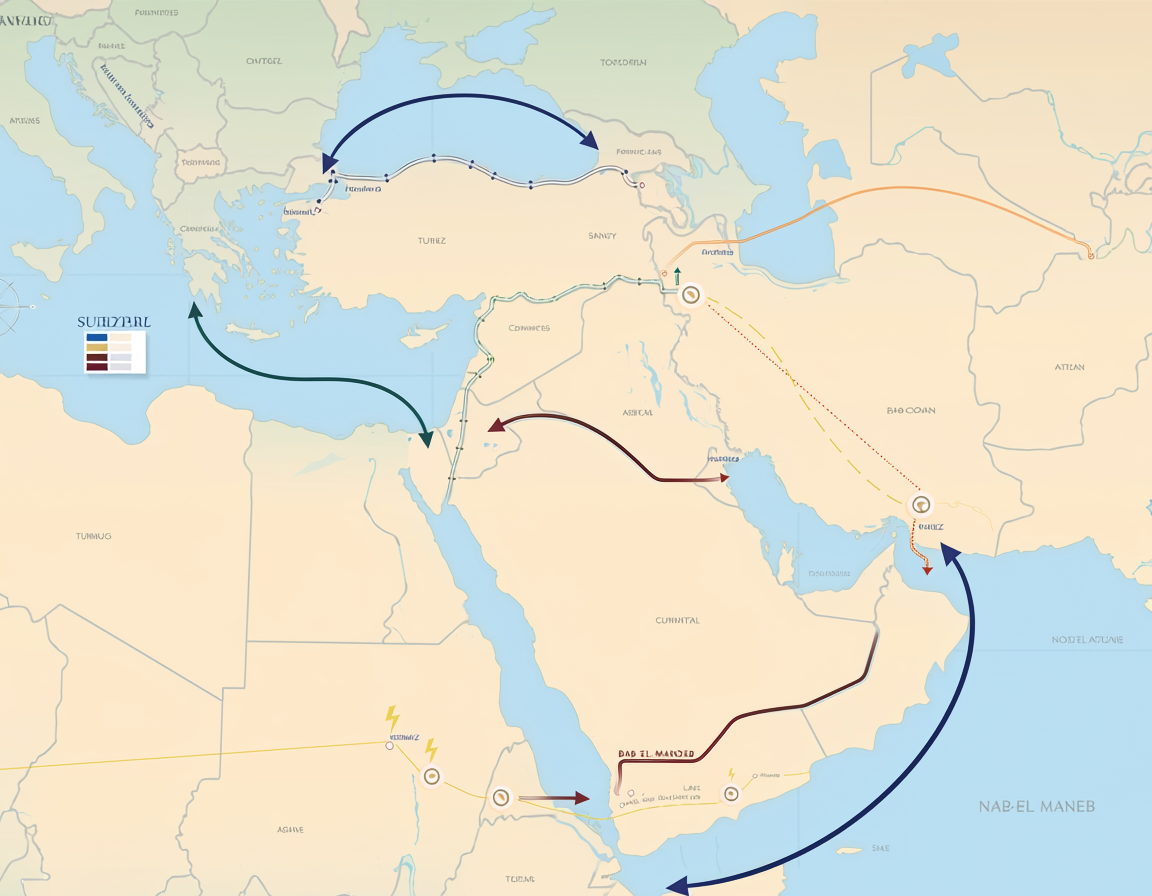
The announcement of a two-week ceasefire between the United States and Iran, brokered by Pakistan, has temporarily halted hostilities and reopened the Strait of Hormuz for energy shipments. However, despite the immediate relief for global markets, the agreement has sparked debate over whether the outcome represents a strategic setback for the United States.
According to The Straits Times, the ceasefire pauses a conflict that had significantly disrupted global energy flows and heightened geopolitical tensions across the Middle East, but it leaves several critical issues unresolved.
Ceasefire Terms: Temporary Pause with Structural Implications
Under the agreement, both sides have halted military operations for two weeks, with formal peace talks scheduled to begin in Islamabad. Iran has agreed to allow “safe passage” through the Strait of Hormuz, albeit under coordination with its armed forces.
The Strait through which roughly 20% of global oil supply flows had effectively shut down during the conflict, causing one of the largest energy disruptions in modern history.
While the reopening provides short-term economic relief, the conditions surrounding access indicate that control dynamics in the region may have shifted.
Strategic Debate: Did the U.S. Concede Ground?
A key point of contention is whether the ceasefire reflects a compromise that favors Iran’s long-standing demands.
Iran’s proposed framework reportedly includes:
- Retaining influence over the Strait of Hormuz
- Recognition of its nuclear program rights
- Lifting of economic sanctions
- Withdrawal of U.S. forces from the region
Critics argue that agreeing to negotiations based on such terms suggests that the U.S. may have accepted elements of Iran’s strategic position, raising questions about the long-term balance of power.
Competing Narratives: Victory Claimed on Both Sides
Both Washington and Tehran have framed the ceasefire as a success.
U.S. officials emphasize:
- Achievement of key military objectives
- Reopening of the Strait of Hormuz
- Avoidance of prolonged escalation
Meanwhile, Iran has portrayed the outcome as a diplomatic win, arguing that it compelled the U.S. to engage on its terms and acknowledge its demands.
This divergence highlights the ambiguity of the agreement and the absence of a clear, decisive outcome.
Geopolitical Context: Energy and Power at the Core
The conflict and subsequent ceasefire are fundamentally tied to control over energy flows. The Strait of Hormuz remains one of the world’s most critical chokepoints, and its disruption triggered:
- A collapse in shipping traffic
- Oil prices surging above $100 per barrel
- Global inflationary pressures
Iran’s ability to influence access to the Strait has strengthened its bargaining position, reinforcing its role as a key player in global energy markets.
Unresolved Issues: Nuclear Policy and Regional Security
Despite the ceasefire, several core issues remain unresolved:
- Iran’s uranium enrichment program
- Long-term security arrangements in the Gulf
- U.S. military presence in the region
- Sanctions and economic policy
These unresolved elements suggest that the ceasefire is not a resolution, but a pause in a broader strategic confrontation.
Market and Economic Implications: Relief with Uncertainty
The ceasefire has already triggered positive market reactions, including:
- Declines in oil prices
- Rebound in global equity markets
- Stabilization of supply chains
However, the underlying risks remain. The temporary nature of the agreement means that:
- Energy markets could remain volatile
- Inflation pressures may persist
- Investment decisions may be delayed
Forward Outlook: Negotiations Will Define the Outcome
The next phase of negotiations in Islamabad will be critical in determining whether the ceasefire evolves into a lasting agreement or breaks down into renewed conflict.
Key factors to watch include:
- Enforcement of Hormuz access
- Progress on nuclear negotiations
- Alignment between U.S. allies and regional actors
The outcome will shape not only regional stability but also global economic conditions.
Expert Insight
The ceasefire highlights a fundamental shift in modern geopolitics as military outcomes no longer define strategic victory but control over leverage points does.
In this case, Iran’s influence over the Strait of Hormuz—a critical artery for global energy has emerged as a decisive factor. Even after military confrontation, control over this chokepoint has translated into negotiating power.
The key takeaway is that the conflict may have ended temporarily, but the strategic balance has shifted toward leverage rather than dominance.
For markets and policymakers, this introduces a new reality where geopolitical outcomes are less about decisive wins and more about who controls the systems that underpin the global economy.
Written by Shalin Soni, CMA specializing in financial analysis, global markets, and corporate strategy, with hands-on experience in financial planning and analytical decision-making.
ALSO READ
• Weak Demand at Japan’s 30-Year Bond Auction Raises Global Yield Concerns
• Kevin Warsh Confirmation Delay Raises Risk of Fed Policy Paralysis Amid Economic Uncertainty
• SpaceX Delays Starship Launch to May 2026, Raising Questions Over Moon Missions
Disclaimer
This article is based on publicly available information, market developments, and credible media reports. The content is intended for informational and analytical purposes only and should not be considered financial, investment, or legal advice.