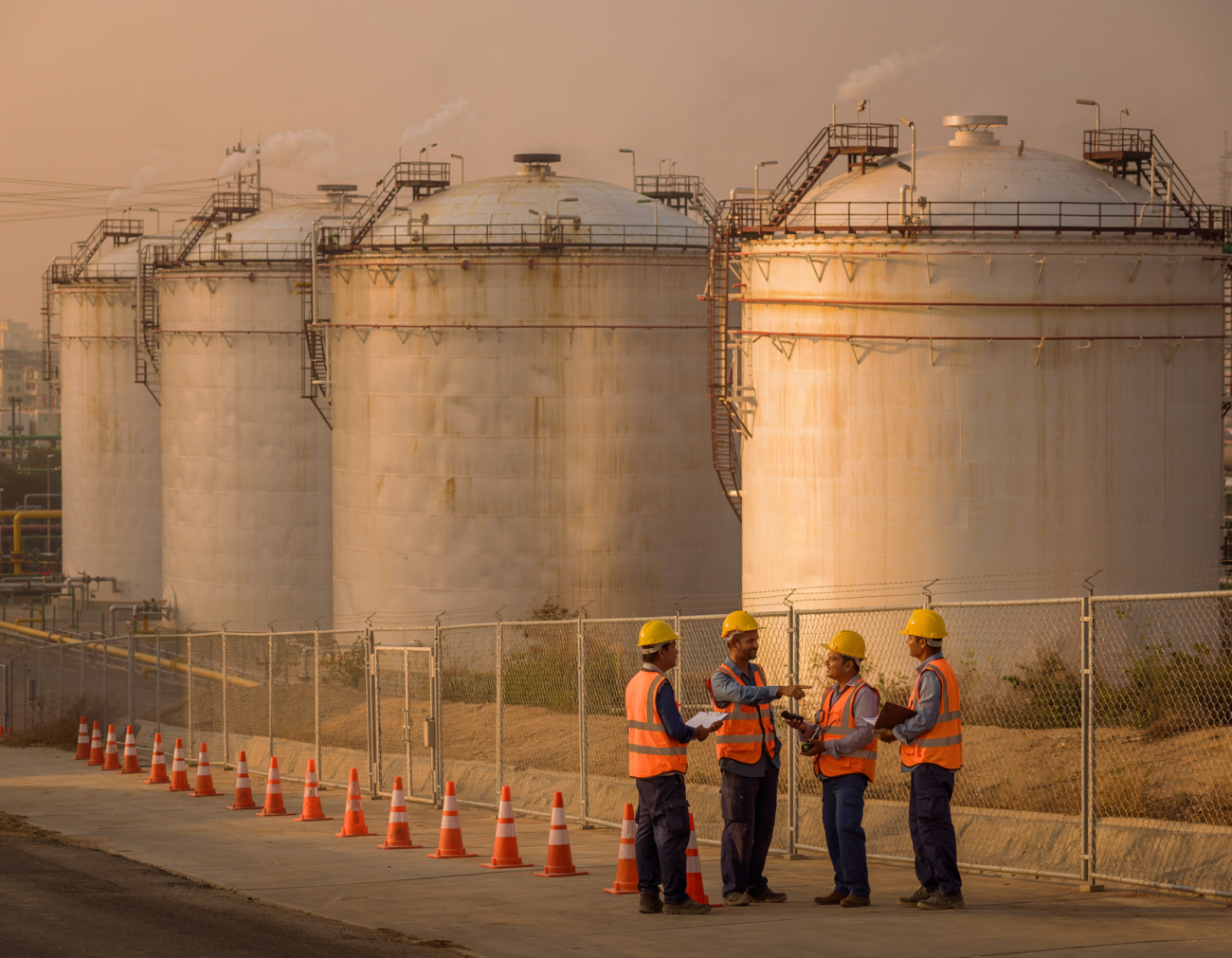
India’s oil refiners are postponing scheduled maintenance shutdowns in a strategic move to stabilize domestic fuel supply as global energy markets remain disrupted by the ongoing Iran conflict. The decision reflects growing urgency among policymakers to ensure uninterrupted availability of petroleum products in one of the world’s largest energy-consuming economies.
According to Bloomberg, the move comes as supply chains across the Middle East face severe strain, with disruptions to key transit routes and rising global oil prices creating a challenging operating environment for energy-importing nations like India.
Operational Shift: Maintenance Deferred to Sustain Output
State-run refiners including Indian Oil Corporation and Bharat Petroleum Corporation had initially planned routine maintenance at several refinery units. However, these shutdowns have now been postponed to prioritize continuous production and meet rising domestic demand.
This operational adjustment highlights a critical shift from efficiency-driven scheduling toward supply security, as governments intervene to maintain stability in essential energy markets.
Supply Pressure: Domestic Demand Takes Priority
India’s decision to delay maintenance is driven by strong domestic consumption and tightening global supply conditions. As the world’s third-largest oil consumer, the country relies heavily on imports and must carefully manage refinery output to avoid shortages.
Authorities have also directed refiners to increase production of key fuels such as liquefied petroleum gas (LPG), which is widely used for household consumption, further increasing pressure on refining capacity.
Exception Case: Nayara Shutdown May Tighten Supply
Despite the broader trend of postponements, Nayara Energy is proceeding with a planned shutdown of its 400,000 barrels-per-day Vadinar refinery starting in April.
This maintenance activity is expected to tighten supply, particularly in LPG markets, and highlights the delicate balance between operational requirements and supply stability.
Geopolitical Context: Iran Conflict Reshapes Energy Flows
The ongoing conflict involving Iran has significantly disrupted global oil flows, particularly through chokepoints such as the Strait of Hormuz. These disruptions have increased volatility in both crude and refined product markets, forcing countries to adopt emergency measures to secure energy supplies.
India has responded by diversifying supply sources and prioritizing domestic availability over exports, reflecting a broader shift toward energy security in the face of geopolitical uncertainty.
Market Impact: Refining Margins and Trade Flows Adjust
Indian refiners have emerged as key players in global fuel markets during the crisis, with exports rising in certain regions to fill supply gaps. However, the current focus on domestic stability may reduce export volumes, altering regional trade flows.
At the same time, higher crude prices and logistical challenges are impacting refining margins, creating a complex environment where profitability and supply security must be balanced.
Policy Response: Government Steps In to Manage Supply
The Indian government has taken a proactive role in managing the situation, including:
- Directing refiners to prioritize domestic demand
- Adjusting taxes and duties to ease cost pressures
- Redirecting resources toward essential fuel production
These measures highlight the increasing role of policy intervention in energy markets during periods of crisis.
Structural Insight: Energy Security Overrides Efficiency
The postponement of refinery maintenance underscores a broader structural shift in global energy strategy. In stable conditions, maintenance schedules are optimized for efficiency and long-term performance. However, in crisis environments, immediate supply security takes precedence.
This shift reflects a move toward more resilient, flexible energy systems capable of responding to external shocks.
Forward Outlook: Supply Stability Hinges on Geopolitical Developments
Looking ahead, India’s ability to maintain stable fuel supplies will depend on:
- Duration of the Iran conflict
- Stability of global shipping routes
- Availability of alternative crude sources
If disruptions persist, further interventions may be required to balance domestic demand with operational constraints.
Expert Insight
India’s decision to delay refinery maintenance highlights a critical evolution in global energy management especially operational flexibility is becoming as important as production capacity. In a geopolitically fragmented world, energy systems are no longer optimized purely for efficiency as they are being redesigned for resilience.
The key takeaway is that the ability to adapt operations in real time whether through delaying maintenance, rerouting supply, or reallocating resources is emerging as a defining competitive advantage in the global energy landscape. In that sense, India’s response is not just a short-term adjustment as it reflects a broader shift toward adaptive energy strategy in an era of persistent disruption.
Written by Shalin Soni, CMA specializing in financial analysis, global markets, and corporate strategy, with hands-on experience in financial planning and analytical decision-making.
ALSO READ
• OPEC+ Debates Output Hike as Iran War Disrupts Global Oil Supply
• Hyundai Flags Export Disruptions as Middle East Conflict Strains Global Shipping
• Credit Card Rate Cap Could Cut Off Over 100 Million Americans From Credit, Analysis Warns
Disclaimer
This article is based on publicly available information, market developments, and credible media reports. The content is intended for informational and analytical purposes only and should not be considered financial, investment, or legal advice.