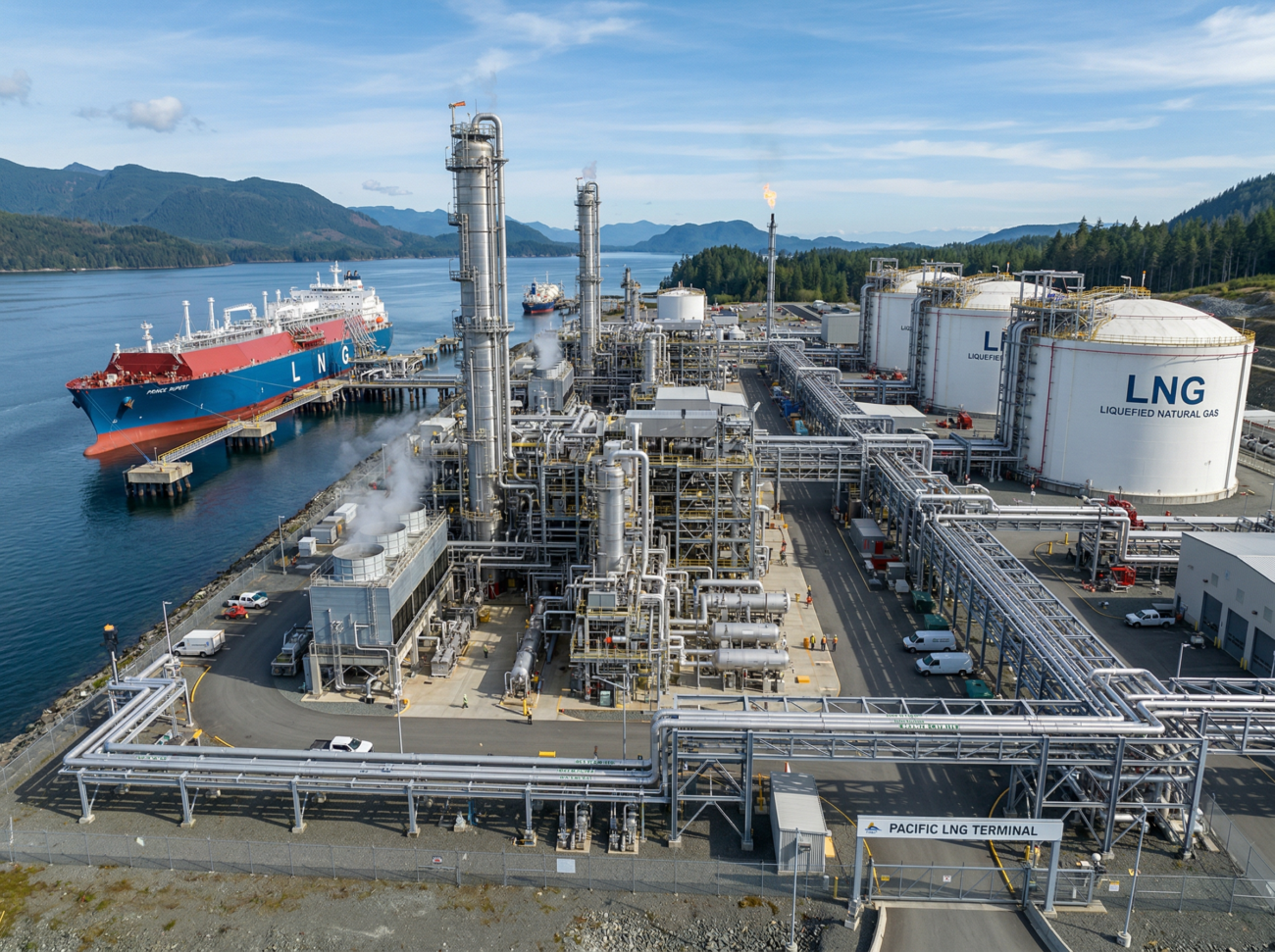
In a critical development for global energy markets, ExxonMobil and QatarEnergy have begun producing liquefied natural gas (LNG) at their long-delayed Golden Pass terminal in Texas, marking a significant step toward expanding U.S. export capacity at a time of acute global supply stress.
The milestone first LNG production from Train 1 comes amid tightening energy markets triggered by geopolitical conflict involving Iran, highlighting the strategic importance of new supply entering the system.
First LNG Production: A $10 Billion Project Comes Online
The Golden Pass LNG facility, a $10 billion joint venture, has achieved its first production milestone after years of delays and cost overruns.
Key operational metrics include:
- Total planned capacity: ~18 million tonnes per annum (mtpa)
- Train 1 capacity: ~6 mtpa
- Ownership split: QatarEnergy (70%), ExxonMobil (30%)
- Equity allocation: ~4 mtpa to QatarEnergy, ~2 mtpa to ExxonMobil
This initial output represents the first phase of what is expected to become one of the largest LNG export terminals in the United States.
The company expects to begin exporting LNG cargoes as early as Q2 2026, signaling imminent integration into global energy trade flows.
Timing Is Critical: Supply Enters a Disrupted Market
The startup of Golden Pass is not occurring in a vacuum—it coincides with one of the most significant disruptions in global LNG supply in recent years.
Recent developments include:
- Qatar facing force majeure on LNG production, impacting up to 20% of global supply
- Potential loss of ~17% of output for multiple years due to infrastructure damage
- Sharp increases in LNG prices across Asia and Europe
This backdrop transforms Golden Pass from a routine infrastructure project into a strategic supply stabilizer in a constrained global market.
U.S. LNG Expansion: Strengthening Energy Leadership
The Golden Pass milestone reinforces the United States’ position as a leading global LNG exporter, particularly as Europe and Asia diversify away from geopolitical supply risks.
Structurally, the project contributes to:
- Increased North American export capacity
- Greater supply flexibility for global buyers
- Enhanced energy security for importing nations
With additional LNG projects ramping up including expansions by companies like Cheniere—the U.S. is consolidating its role as a swing supplier in global gas markets.
Project Challenges: Delays, Costs, and Execution Risk
Despite the milestone, the Golden Pass project has faced significant execution hurdles:
- Construction delays since 2019
- Bankruptcy of the original lead contractor
- Cost overruns exceeding initial estimates
These challenges highlight the complexity of large-scale LNG infrastructure development, particularly in an environment of rising costs and supply chain disruptions.
Yet, the successful startup of Train 1 signals that the project has transitioned from construction risk to operational execution.
Market Impact: LNG as the New Strategic Commodity
The broader implication of Golden Pass extends beyond incremental supply as it reinforces LNG’s evolving role as a strategic global commodity.
Key trends emerging:
- LNG increasingly replacing pipeline gas in global trade
- Countries prioritizing long-term LNG contracts for energy security
- Growing demand across Asia and emerging markets
With global natural gas demand expected to rise structurally, LNG infrastructure is becoming central to both energy transition strategies and geopolitical positioning.
Forward Outlook: Scaling to Full Capacity
Looking ahead, the full impact of Golden Pass will depend on the ramp-up of its remaining trains.
Critical milestones include:
- Commissioning of Train 2 and Train 3
- Achieving full 18 mtpa capacity
- Stabilizing export operations amid volatile market conditions
Once fully operational, the project will materially increase global LNG supply though whether it offsets ongoing disruptions remains uncertain.
Expert Insight
The launch of Golden Pass LNG is not just an operational milestone but it is a strategic inflection point in global energy markets.
At a time when geopolitical conflict is constraining traditional supply sources, new LNG capacity is emerging as a critical buffer against systemic energy shocks.
For investors and policymakers, the message is clear that control over LNG infrastructure is increasingly synonymous with energy security and geopolitical leverage.
As global markets shift toward flexible, seaborne gas trade, projects like Golden Pass may define the next phase of the energy economy where liquidity, logistics, and geopolitics converge.
ALSO READ
• H&M Earnings Rise as Cost Controls Offset Weak Sales Growth
• Alibaba, JD.com, Meituan Stocks Rise as China Food Delivery War Eases
• Meta Appoints CTO Andrew Bosworth to Lead AI-Native Strategy
Disclaimer
This article is based on publicly available information, market developments, and credible media reports. The content is intended for informational and analytical purposes only and should not be considered financial, investment, or legal advice.