U.S. President Donald Trump has postponed threatened military strikes on Iranian power plants for five days, signaling a possible opening for diplomacy even as the war enters a more dangerous phase across the Middle East.
The delay comes at a critical moment in the conflict, with fears rising over possible attacks on Gulf infrastructure, energy facilities and civilian utilities that could widen the war and deepen the shock to global markets.
According to a report by Reuters, Trump said he had ordered a pause in planned strikes against Iranian power plants and described a “real possibility” of a deal with Tehran, suggesting that back-channel mediation efforts may still produce a diplomatic breakthrough.
The move marks one of the clearest indications in recent days that Washington is willing to leave room for negotiations, even while maintaining military pressure and a hard public posture toward Iran.
Delay lowers immediate escalation risk
The postponement reduces the immediate risk of a sharp new escalation involving critical infrastructure.
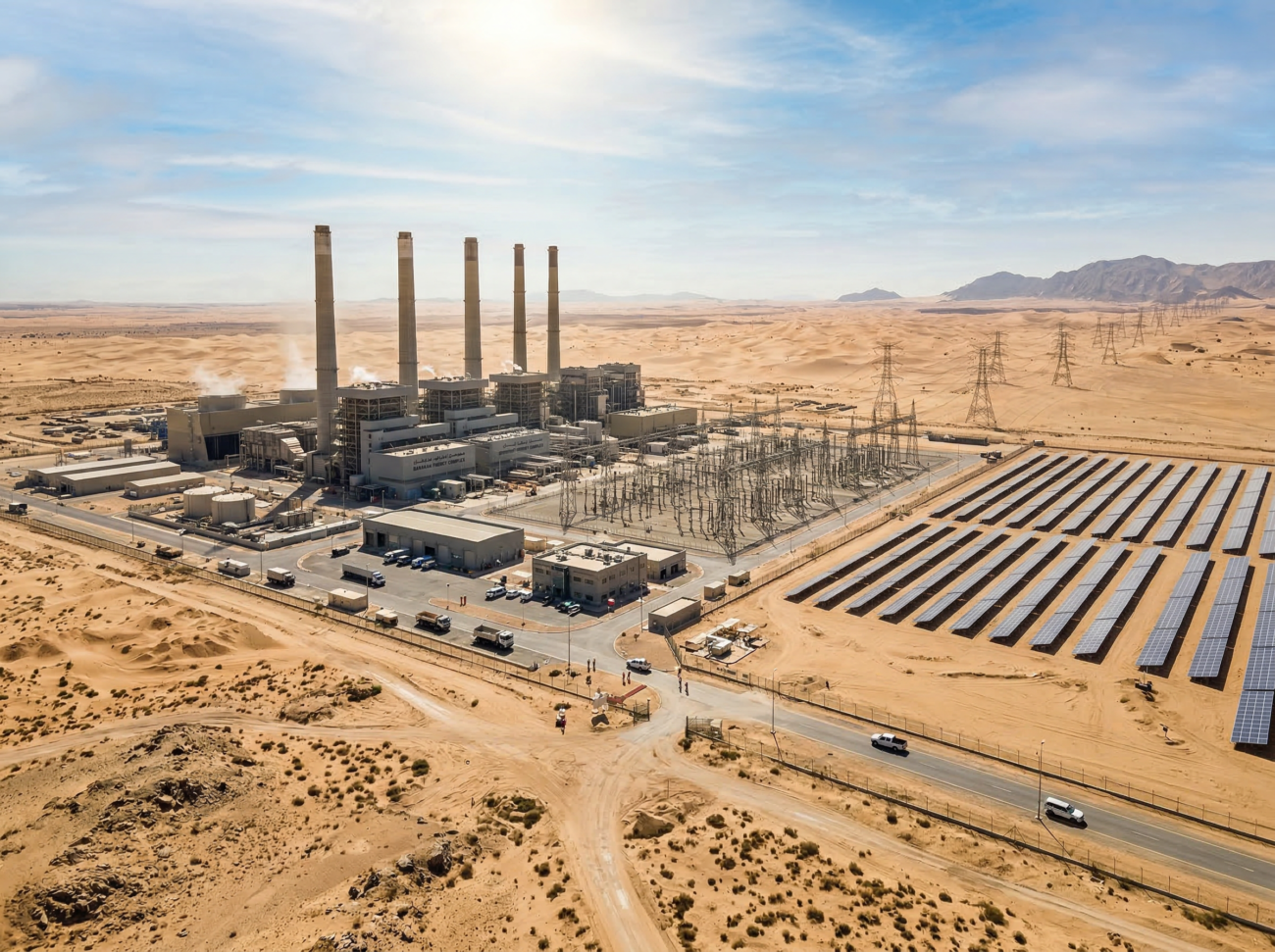
Power plants are particularly sensitive targets because strikes on them can disrupt electricity supply, industrial operations and water systems, especially in countries already under wartime strain. A wider campaign against energy and utility infrastructure could have rapidly increased humanitarian and economic consequences across the region.
By delaying action, Washington appears to be weighing the strategic costs of such strikes against the possibility that diplomacy could still produce limited de-escalation.
The decision also suggests that U.S. officials may be trying to avoid steps that would trigger retaliation against civilian infrastructure in Gulf states or against international energy assets.
Tehran keeps pressure on Gulf states
Even as Washington paused planned strikes, the broader threat environment remained severe.
Iran has warned that if regional states actively support hostile military operations, their water and power facilities could become targets. That warning has raised concerns far beyond the immediate battlefield, because Gulf states host key desalination plants, power networks and export infrastructure that are essential both for domestic stability and global energy supply.
Such threats are especially significant in the Gulf, where electricity generation and water security are closely linked through large-scale desalination systems. Any disruption could affect not only local populations but also shipping, refining and industrial production.
The warning has therefore heightened anxiety among regional governments already trying to prevent the conflict from spilling deeper into neighboring states.
Diplomatic channels remain active
Despite the intensifying conflict, diplomatic mediation efforts appear to be continuing behind the scenes.
Reuters’ live coverage indicated that multiple countries were reported to be mediating between Washington and Tehran, underscoring that formal and informal diplomatic channels have not fully collapsed.
That mediation effort is crucial because the war has already expanded beyond isolated military exchanges into a broader confrontation with major implications for regional security, oil supply and international trade.
Trump’s statement that there are “major points of agreement” in talks with Iran points to at least some progress on core issues, even if significant gaps remain.
Still, diplomats and analysts caution that such moments can be fragile. Temporary pauses do not necessarily signal a lasting de-escalation, especially when military forces remain mobilized and rhetoric on both sides remains confrontational.
Energy markets remain on edge
The geopolitical significance of the delay extends well beyond military planning.
Global energy markets have been highly sensitive to any indication that the conflict could strike utility infrastructure, oil export facilities or shipping lanes. A direct attack on power systems or retaliatory action against Gulf infrastructure could intensify supply disruptions and trigger further gains in oil prices.
That risk is especially acute because the regional conflict has already unsettled markets worried about shipping security and the stability of energy corridors tied to the Gulf.
Investors are watching not only battlefield developments but also whether diplomacy can prevent attacks on systems that are central to oil production, electricity generation and water supply.
If the five-day delay leads to meaningful progress in negotiations, markets may interpret it as a sign that the worst-case escalation scenario can still be avoided. If talks stall, however, the pause may simply postpone a larger confrontation.
Strategic messaging from Washington
Trump’s decision appears to serve both military and diplomatic purposes.
On one hand, the threat of strikes preserves pressure on Iran and signals that Washington retains escalation options. On the other hand, postponing action allows the administration to present itself as open to negotiation rather than rushing toward wider infrastructure warfare.
This kind of calibrated delay is often used in high-stakes crises to create leverage without immediately closing the door to diplomacy.
It also gives mediators time to test whether Tehran is willing to make concessions that Washington can portray as meaningful.
The challenge for U.S. policymakers is that any delay must still appear credible. If Iran perceives it as hesitation rather than leverage, the diplomatic effect could weaken.
Regional governments face difficult balancing act
The latest developments also place Gulf governments in a difficult position.
Many regional states have strategic relationships with Washington but are deeply vulnerable to retaliation if the conflict broadens. Their infrastructure, ports, energy systems and utility networks are exposed to both direct and indirect disruption.
As a result, regional governments are likely to intensify calls for restraint while quietly strengthening defenses around critical infrastructure.
The threat to power and water systems is particularly alarming because it expands the war’s logic beyond military targets and into the foundations of civilian life and economic continuity.
That possibility raises the stakes not only for the countries directly involved in the conflict but for the wider Middle East.
Outlook remains uncertain
For now, the five-day pause has created a narrow diplomatic window.
Whether it becomes a pathway to negotiation or merely an interval before renewed escalation will depend on what mediators can achieve and whether both sides see value in restraint.
The conflict has already shown how quickly military calculations can intersect with energy security, civilian infrastructure and financial market stability.
Trump’s postponement of strikes may have lowered the immediate temperature, but it has not removed the underlying risks. The next few days are likely to be critical in determining whether the region moves closer to a negotiated pause or toward a broader confrontation with even greater consequences.
ALSO READ
• Starlink Launches in Kuwait as Middle East Conflict Highlights Need for Satellite Internet
• SpaceX Appoints Gibson Dunn and Davis Polk as Advisors for Potential IPO
• HDFC Bank Shares Fall After Chairman Exit Raises Governance Concerns
Disclaimer
This article is based on publicly available information, market developments, and credible media reports. The content is intended for informational and analytical purposes only and should not be considered financial, investment, or legal advice.