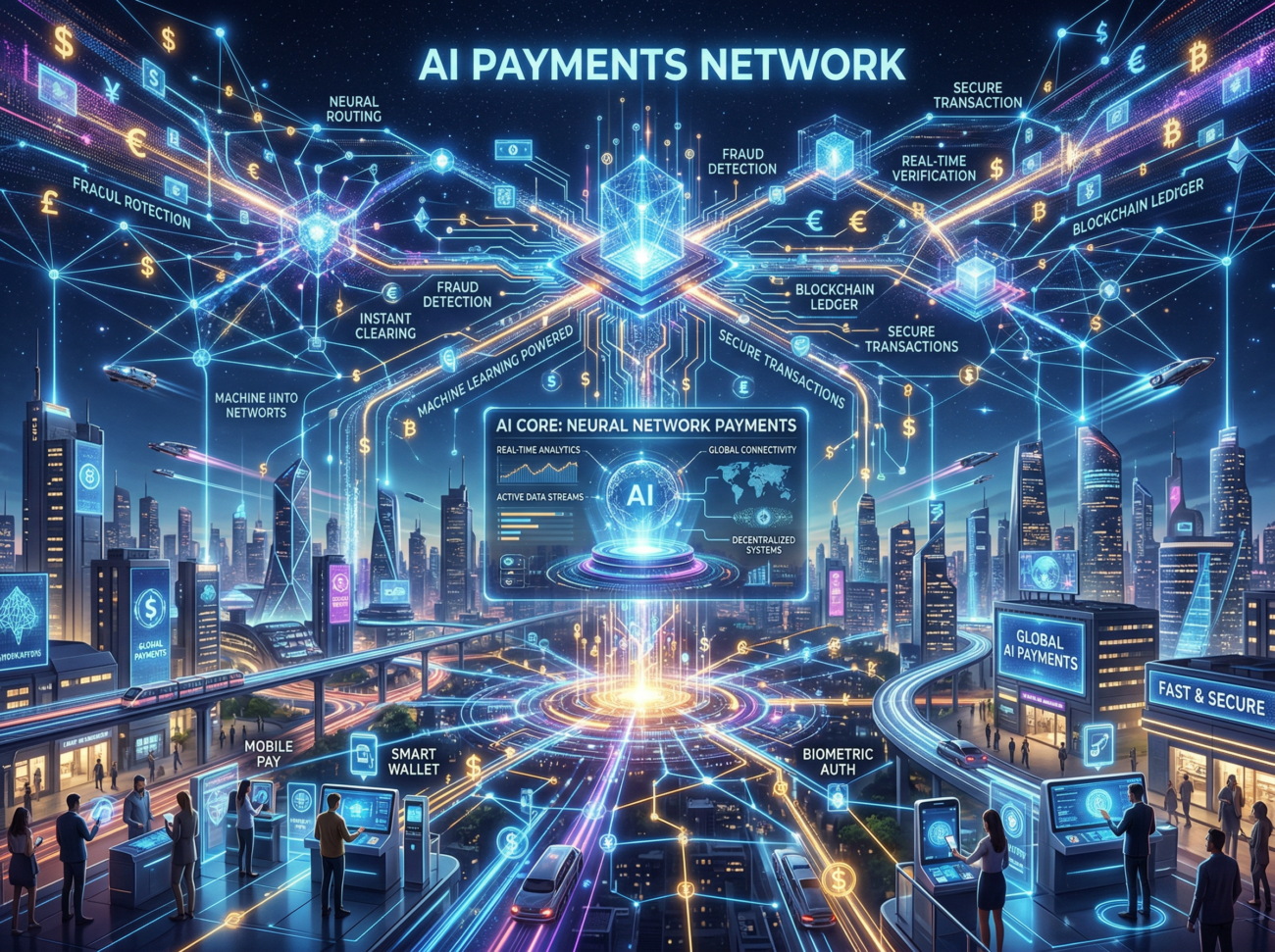
Visa has introduced a new suite of artificial intelligence tools aimed at streamlining dispute management across its payments network, marking a significant step in the evolution of post-transaction processes. The company unveiled six new AI-powered tools designed to help banks, merchants, and payment processors resolve disputes more efficiently, as digital transactions and fraud risks continue to rise globally. According to CNBC, the move reflects Visa’s broader strategy to integrate AI deeper into its core infrastructure, enhancing both operational efficiency and user experience in an increasingly complex payments ecosystem.
Scale of Innovation: Expanding AI Across Payment Workflows
The newly launched tools are part of Visa’s ongoing investment in AI-driven systems that handle massive transaction volumes. The company processes hundreds of billions of transactions annually, with AI already embedded in its fraud detection and risk assessment systems. Notably, Visa said it processed more than 103 million disputes globally in 2025, marking a 35% increase since 2019, highlighting the growing scale and complexity of dispute management. By extending AI capabilities into this area, Visa aims to reduce manual intervention and accelerate the handling of chargebacks and transaction disputes, which have historically been time-consuming and resource-intensive.
Dispute Management Focus: From Reactive to Predictive Systems
The new AI tools are designed to improve multiple stages of the dispute lifecycle, including identifying disputes earlier in the transaction process, automating resolution workflows, and enhancing communication between financial institutions and merchants. Visa’s approach shifts dispute management from a reactive process to a more predictive and automated model, reducing friction for both consumers and businesses. The tools build on existing capabilities from Visa-owned platforms such as Verifi, which specialize in preventing and resolving chargebacks before they escalate.
Industry Context: Rising Complexity in Digital Payments
The launch comes amid growing complexity in digital payments, driven by the rapid expansion of e-commerce transactions, increasing sophistication of fraud and “friendly fraud” cases, and the rise of cross-border payment flows. As AI-driven commerce continues to evolve, dispute resolution is emerging as a critical bottleneck. New models such as agentic commerce, where AI systems initiate and complete transactions, are introducing additional challenges related to authorization, liability, and dispute handling.
Strategic Implications: AI Becomes Core Infrastructure
Visa’s investment underscores a broader industry trend in which AI is no longer a support function but a core infrastructure layer in financial services. The company has already deployed machine learning extensively to analyze transaction patterns and detect fraud in real time. By extending AI into dispute management, Visa is reinforcing its role as a full-cycle transaction ecosystem provider, covering everything from authorization to post-purchase resolution.
Market Impact: Efficiency Gains and Cost Reduction
The introduction of AI-driven dispute tools is expected to deliver tangible benefits across the payments ecosystem, including faster resolution times, lower operational costs for banks and merchants, reduced chargeback volumes, and improved customer satisfaction. For merchants, in particular, minimizing disputes can directly enhance profitability, as chargebacks often result in additional fees and lost revenue.
Forward Outlook: Preparing for AI-Driven Commerce
Looking ahead, Visa’s new tools position the company for a future in which AI plays an increasingly central role in commerce. As AI agents begin to participate more actively in transactions, the need for automated and intelligent dispute systems will become even more critical. Visa’s strategy points toward a long-term vision of payment systems that are not only automated but also self-correcting and predictive, minimizing friction across the entire transaction lifecycle.
Expert Insight
Visa’s push into AI-driven dispute management highlights a deeper transformation in financial services especially the automation of trust. Payments have traditionally relied on post-event verification and human-led resolution, but that model is rapidly evolving. Today, systems are being designed to anticipate, prevent, and resolve issues in real time. The key shift is that AI is not only accelerating transactions but also redefining how disputes, risk, and accountability are managed. In an ecosystem where billions of transactions are executed digitally and increasingly by machines, the ability to automate trust at scale may become one of the most valuable capabilities in global finance.
Written by Shalin Soni, CMA specializing in financial analysis, global markets, and corporate strategy, with hands-on experience in financial planning and analytical decision-making.
ALSO READ
• Microsoft Faces UK Antitrust Probe as Cloud Dominance Comes Under Scrutiny
• Eli Lilly’s $2.75 Billion AI Bet Reshapes Drug Discovery in 2026
• Top Dividend Stocks to Buy Now: Energy Transfer, Chevron, Diamondback Lead Yields
Disclaimer
This article is based on publicly available information, market developments, and credible media reports. The content is intended for informational and analytical purposes only and should not be considered financial, investment, or legal advice.