Global energy markets are entering a new phase of volatility as Brent crude prices surge sharply, driven by escalating geopolitical tensions in the Middle East. The latest catalyst—a statement by Donald Trump expressing intent to “take the oil” in Iran has intensified fears of supply disruption, pushing oil prices toward multi-year highs.
Brent crude has climbed to approximately $115–$116 per barrel, marking one of the steepest monthly rallies in recent history and underscoring the fragility of global energy supply chains.
Oil Markets React: From Supply Shock to Strategic Panic
The surge in oil prices reflects more than rhetoric as it signals a structural supply shock tied to the ongoing Iran conflict.
Key developments shaping the rally include:
- Brent crude rising nearly 60% in March 2026, a record monthly increase
- Prices breaching $116 per barrel, driven by geopolitical escalation
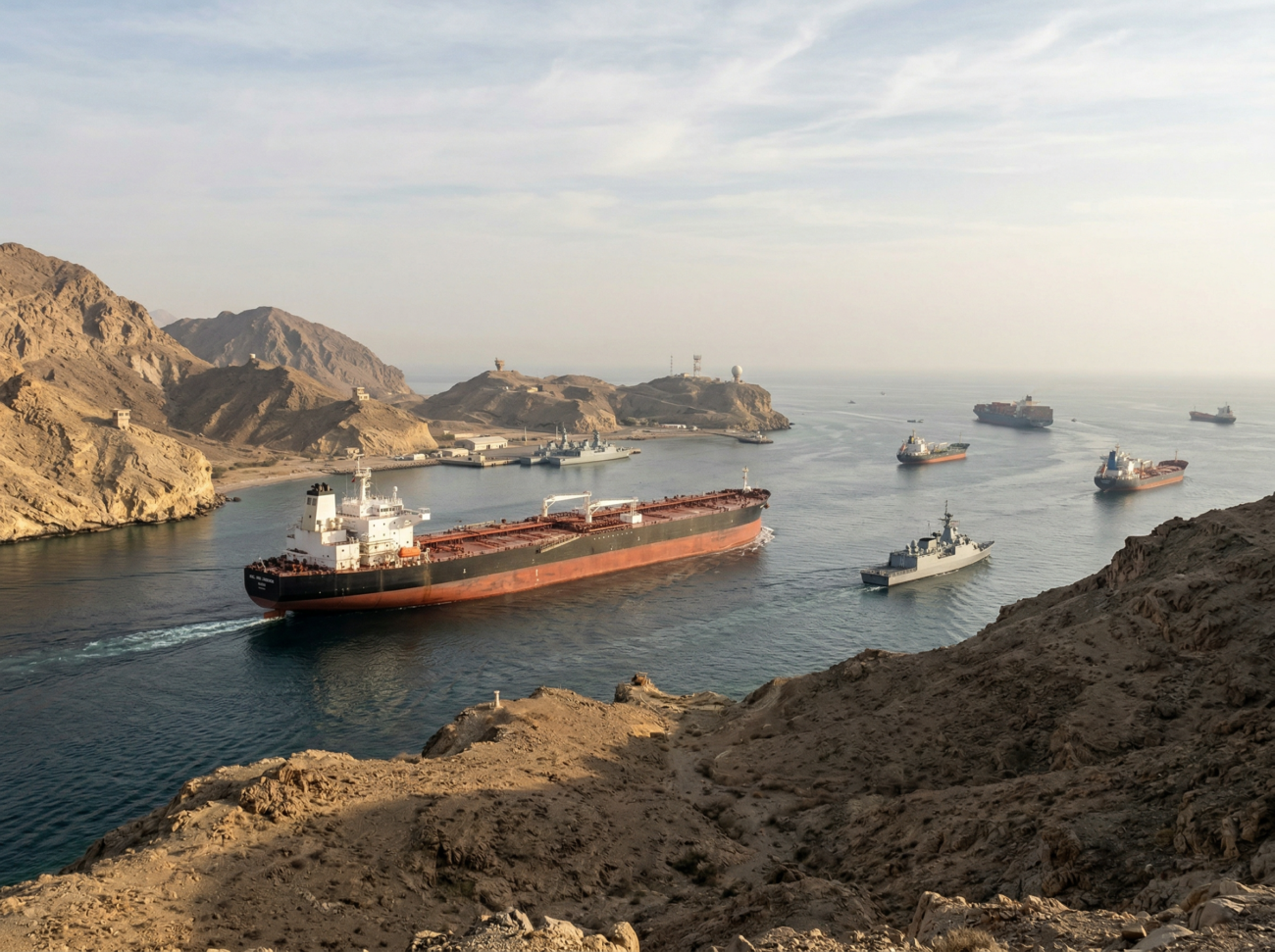
- Disruption risks across critical routes such as the Strait of Hormuz, which handles roughly 20% of global oil flows
The conflict has effectively transformed oil markets from demand-driven pricing to geopolitical risk pricing, where supply uncertainty overrides traditional fundamentals.
Trump’s Oil Strategy: Markets Price in Escalation Risk
Markets reacted sharply after President Trump indicated potential control over Iranian oil assets, including strategic hubs like Kharg Island.
This rhetoric introduces two critical risks:
- Direct supply disruption through military escalation
- Long-term geopolitical realignment of oil assets
Even without immediate action, such statements have heightened market anxiety, reinforcing a risk premium embedded in crude prices.
Simultaneously, the involvement of Iran-backed Houthi forces and continued regional attacks has amplified concerns over multi-front instability, further tightening global supply expectations.
Global Market Fallout: Inflation Shock Re-emerges
The oil surge is rapidly transmitting into broader financial markets, reviving inflationary pressures across major economies.
Key spillover effects include:
- Asian equity markets declining sharply, with indices dropping up to 3%
- Global bond markets facing steep losses, reflecting inflation concerns
- Petrol prices hitting multi-year highs in developed economies
Germany’s inflation has already climbed to 2.8%, while consumer confidence in the UK is deteriorating under rising energy costs.
This dynamic mirrors early signals of a stagflationary environment, where high inflation coincides with slowing economic growth.
Policy Response: Governments Move Into Crisis Mode
In response to the deepening crisis, Keir Starmer is convening emergency discussions with business leaders across energy, banking, and logistics sectors.
The UK government is exploring “every lever” to mitigate the economic fallout, including:
- Stabilizing fuel supply chains
- Preventing price gouging
- Coordinating with G7 economies on energy policy
These actions highlight a broader shift: governments are transitioning from inflation management to crisis containment.
Structural Impact: Energy Markets Enter a New Regime
Beyond immediate price spikes, the Iran conflict is reshaping global energy dynamics.
Critical structural shifts include:
- A potential long-term disruption of Middle East oil exports
- Increased reliance on strategic reserves and alternative supply routes
- Heightened volatility across commodities, including metals and LNG
Notably, analysts estimate supply disruptions of up to 9 million barrels per day, reinforcing the scale of the shock.
This positions the current crisis as one of the most significant energy disruptions since the 1970s oil shocks.
Risk Outlook: What Comes Next?
Markets are now pricing in several forward-looking risks:
- Prolonged conflict duration, sustaining elevated oil prices
- Further escalation involving global powers
- Demand destruction if high energy costs suppress economic activity
While strategic reserves have been deployed, their impact remains limited against structural supply constraints.
Expert Insight
The current oil surge is not merely a geopolitical reaction but it represents a systemic repricing of global energy risk.
Unlike previous cycles, where supply disruptions were temporary, the Iran conflict introduces the possibility of persistent structural instability in energy markets.
For investors and policymakers, the implication is clear: oil is no longer just a commodity however it is once again a macroeconomic driver capable of reshaping inflation, growth, and global capital flows.
If sustained, this environment could mark the beginning of a new energy supercycle defined by geopolitical fragmentation rather than economic expansion.
ALSO READ
• Top Dividend Stocks to Buy Now: Energy Transfer, Chevron, Diamondback Lead Yields
• Huawei AI Chip Gains Orders from Alibaba, ByteDance as Nvidia Supply Tightens
• U.S. Stock Futures Rise as Middle East Ceasefire Hopes Boost Markets
Disclaimer
This article is based on publicly available information, market developments, and credible media reports. The content is intended for informational and analytical purposes only and should not be considered financial, investment, or legal advice.