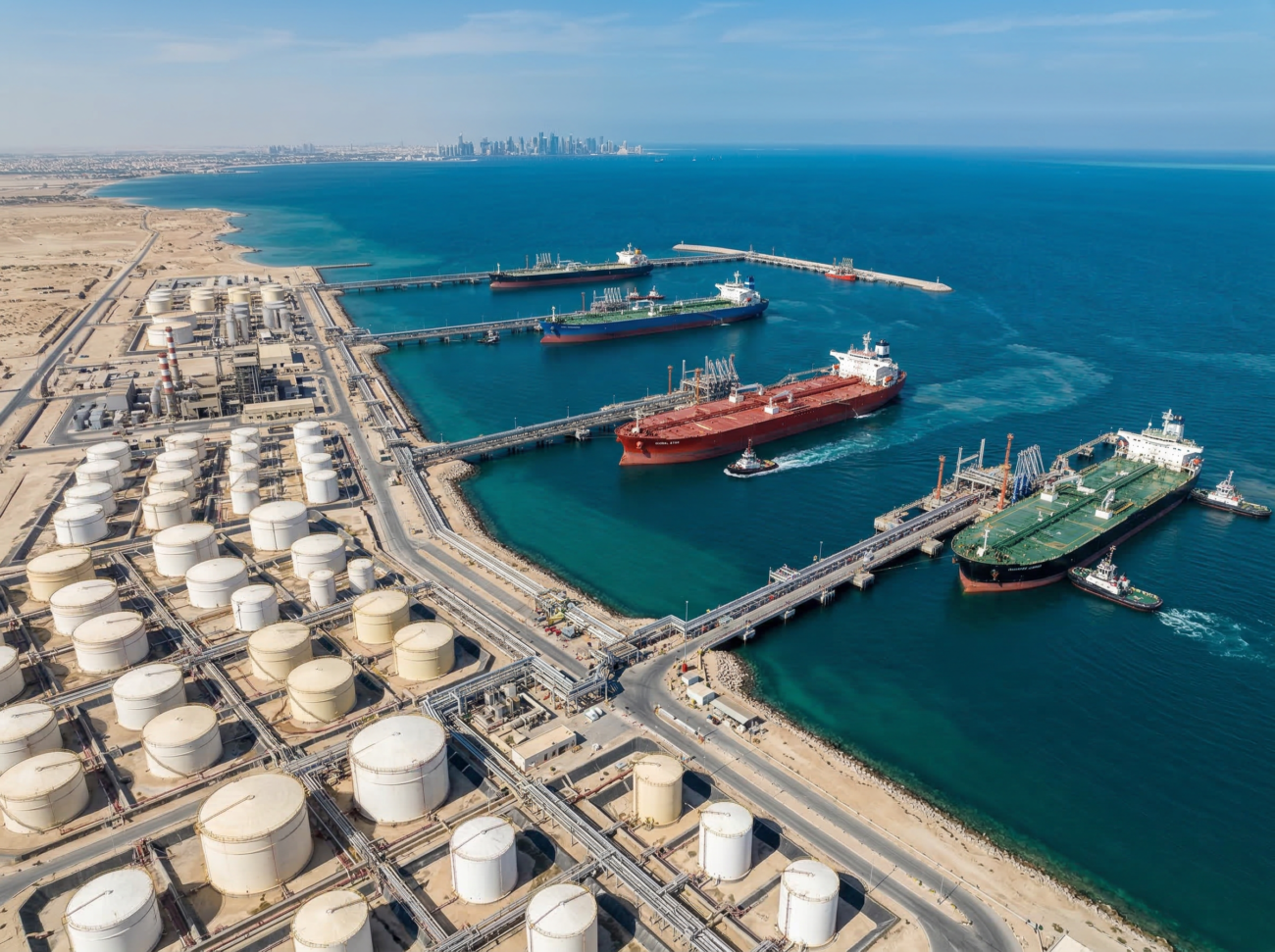
A U.S. military strike targeting Iranian positions on Kharg Island has intensified concerns across global energy markets, highlighting the vulnerability of one of the world’s most important oil export hubs.
The island, located in the Persian Gulf off Iran’s southern coast, plays a central role in the country’s oil industry and serves as the primary terminal for exporting crude shipments.
According to a report by Bloomberg, analysts warn that any sustained disruption at Kharg Island could have serious consequences for global oil supply because the facility handles most of Iran’s crude exports.
The attack marks a new escalation in the ongoing conflict between the United States and Iran, which has already rattled energy markets and pushed oil prices higher.
Kharg Island: A crucial node in Iran’s oil exports
Kharg Island is widely considered the backbone of Iran’s oil export infrastructure.
The facility serves as the main loading terminal for crude shipments from several major Iranian oil fields and has the capacity to handle multiple supertankers simultaneously.
Industry data suggests that roughly 90% of Iran’s crude oil exports pass through the island, making it one of the most strategically significant energy facilities in the Middle East.
Because of its deep-water port and extensive storage infrastructure, Kharg Island allows Iran to transport millions of barrels of oil to international markets each day.
Energy analysts say that if the terminal were severely damaged or taken offline, global oil supply could lose up to two million barrels per day, tightening markets already strained by geopolitical tensions.
Oil markets react to rising geopolitical risks
Although early reports indicate that the U.S. strike targeted military installations rather than oil infrastructure, the event has heightened anxiety among traders and policymakers about the risk of future disruptions.
The possibility that energy facilities could become targets in the conflict has increased volatility in oil markets.
Oil prices have already surged since the outbreak of hostilities in the region, reflecting concerns that supply routes through the Persian Gulf could be disrupted.
Energy traders closely monitor developments around Kharg Island because even minor interruptions to the facility can have an outsized effect on global oil flows.
The Strait of Hormuz adds to market anxiety
The situation is further complicated by the strategic importance of the nearby Strait of Hormuz, one of the world’s most critical maritime oil chokepoints.
Approximately 20% of global oil shipments pass through the strait, which connects the Persian Gulf with international shipping routes.
Any escalation that threatens tanker traffic in this narrow passage could disrupt energy supplies not only from Iran but also from major producers such as Saudi Arabia, Iraq, Kuwait and the United Arab Emirates.
Recent tensions have already caused shipping disruptions and reduced tanker traffic through the strait, contributing to rising oil prices and heightened uncertainty in global energy markets.
Global economic implications
The conflict’s impact extends far beyond the Middle East.
Rising oil prices often ripple through the global economy, increasing transportation costs, pushing up inflation and placing pressure on energy-importing countries.
Analysts warn that prolonged disruptions in the Persian Gulf could trigger broader economic consequences, including slower global growth and increased financial market volatility.
For countries heavily dependent on imported energy—such as India, Japan and several European economies—the situation poses particular risks.
Higher fuel prices can strain government budgets, widen trade deficits and increase the cost of living for households.
Iran’s strategic response remains uncertain
Iranian officials have warned that the country could retaliate if its energy infrastructure is targeted.
Possible responses could include attacks on regional oil facilities, disruptions to tanker traffic, or attempts to block key shipping routes.
Any such actions would likely amplify the shock to global oil markets.
In previous geopolitical crises involving the region, even the threat of supply disruptions has been enough to trigger sharp price spikes and increased market volatility.
For now, analysts say much will depend on whether the conflict escalates further or stabilizes in the coming weeks.
Energy markets brace for potential escalation
Energy traders are watching developments closely, particularly any signs that oil export facilities could become direct targets.
While the initial strike appears to have avoided damaging oil infrastructure, the mere possibility of further attacks has introduced significant uncertainty.
Markets are especially sensitive because global oil supply chains rely heavily on infrastructure concentrated in a relatively small geographic area.
If the conflict spreads or shipping routes become unsafe, disruptions could extend far beyond Iranian exports.
A fragile moment for global energy security
The events surrounding Kharg Island highlight how geopolitical tensions can quickly destabilize global energy markets.
Oil supply chains depend on complex networks of production sites, shipping routes and export terminals, many of which are located in politically sensitive regions.
When conflict threatens these facilities, the impact can be felt across international markets almost immediately.
For now, Kharg Island’s oil infrastructure appears largely intact.
But as the conflict between the United States and Iran continues to evolve, the island remains a focal point for analysts assessing the risks facing global energy supply.
ALSO READ
• Goldman Sachs and General Atlantic Must Face $4 Billion Buyout Lawsuit
• TTK Prestige Shares Jump as Induction Cooktops Surge Amid LPG Shortage
• Italian Football Club Combines AI and €1,000 Tickets to Transform Fan Experience
Disclaimer
This article is based on publicly available information, market developments, and credible media reports. The content is intended for informational and analytical purposes only and should not be considered financial, investment, or legal advice.