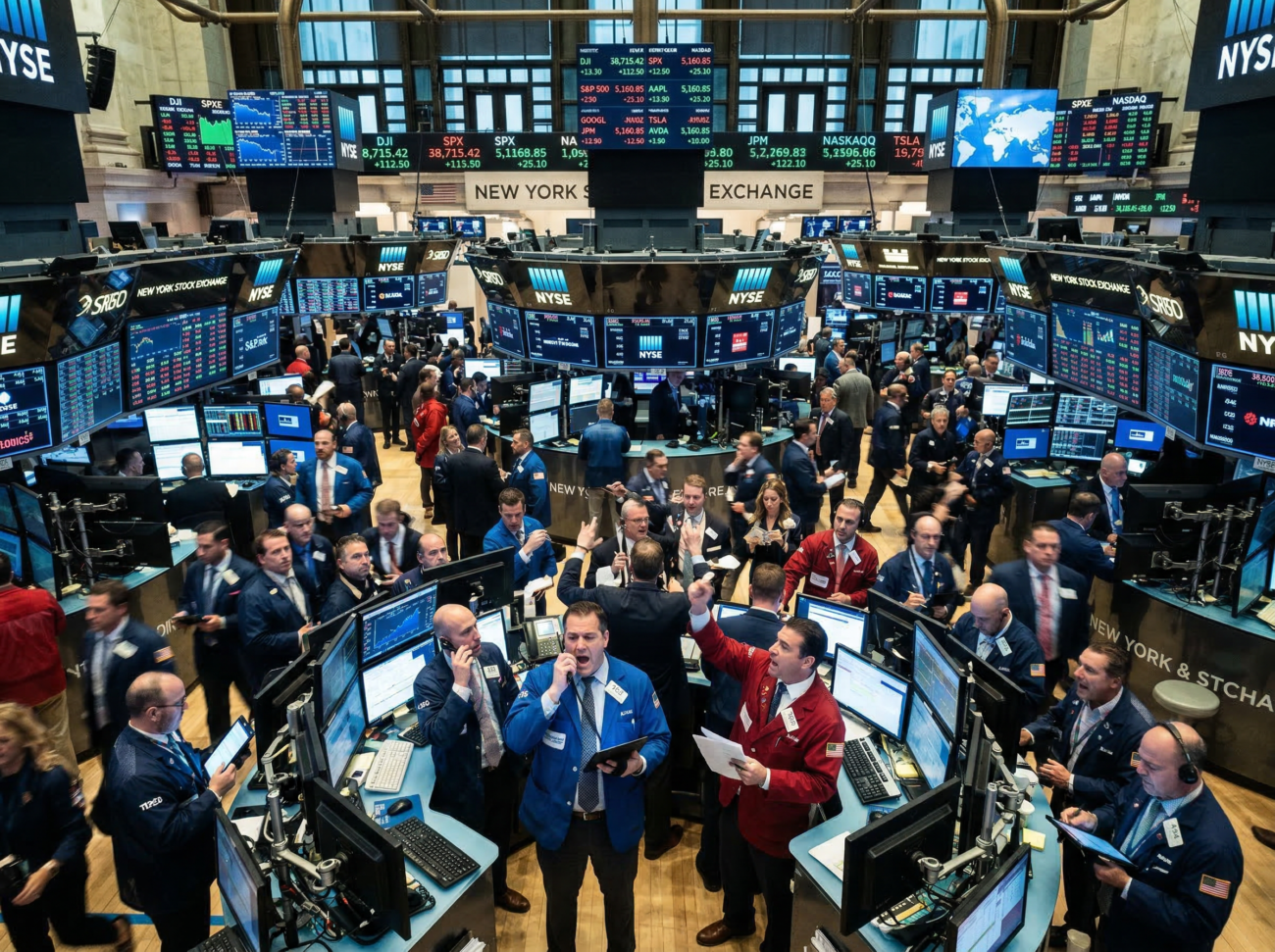
Canada’s main stock market index declined sharply as investors reacted to escalating geopolitical tensions in the Middle East, which have reignited concerns about rising inflation and economic uncertainty.
The S&P/TSX Composite Index, Canada’s primary equity benchmark, fell roughly 2% during the session as market sentiment weakened across several sectors. According to Reuters reporting, the downturn reflected investor anxiety that geopolitical instability could push commodity prices higher and complicate efforts by central banks to manage inflation.
Energy and commodity prices often play a significant role in shaping the outlook for the Canadian economy, given the country’s position as a major exporter of natural resources. While rising oil prices can sometimes benefit energy producers listed on the TSX, broader market sentiment may still weaken if investors fear that inflation will remain elevated.
The recent escalation of tensions in the Middle East has already led to volatility in global oil markets. Energy prices surged following the outbreak of the conflict, raising concerns that higher fuel costs could ripple through global supply chains and consumer prices.
Investors are particularly sensitive to inflation risks because they directly influence interest-rate policy. If inflation accelerates again, central banks may be forced to maintain restrictive monetary policies for longer than previously expected.
Higher interest rates tend to weigh on equity markets because they increase borrowing costs for companies and reduce the present value of future earnings. As a result, investors often react negatively to developments that could prolong tight financial conditions.
The decline in the TSX reflects a broader pattern seen across global financial markets, where geopolitical uncertainty has triggered increased volatility. Equity investors are balancing concerns about inflation with the possibility that escalating tensions could affect global trade and economic growth.
Despite the sharp decline, market analysts emphasize that equity markets often experience short-term volatility during geopolitical events. Historically, many markets have recovered once investors gain greater clarity about the duration and economic impact of such conflicts.
For now, traders remain cautious as they assess how developments in the Middle East might influence both commodity markets and global economic conditions. The trajectory of inflation, energy prices, and central-bank policy will likely remain key drivers of market sentiment in the weeks ahead.
ALSO READ
• US Core Inflation Slows Ahead of Iran War as Price Pressures Ease
• Global Leaders Move to Shield Economies as War Shock Threatens Growth
• NY Fed Survey Signals Stable Inflation Expectations Before Iran Conflict
Disclaimer
This article is based on publicly available information, market developments, and credible media reports. The content is intended for informational and analytical purposes only and should not be considered financial, investment, or legal advice.