U.S. President Donald Trump has rejected the possibility of reaching a peace agreement with Iran under the current terms, signaling that the conflict between Washington and Tehran is likely to continue as military operations intensify across the region.
The comments come as the war enters another volatile phase, with attacks spreading across the Middle East and energy markets reacting to growing fears of supply disruptions.
According to a report by Bloomberg, Trump said Iran appears willing to negotiate but that the United States would not accept the current proposals because the terms offered by Tehran were not sufficient.
His remarks suggest that the administration is not ready to move toward a ceasefire or diplomatic settlement, even as international pressure grows for a negotiated resolution.
Diplomatic efforts remain uncertain
Trump’s position underscores the difficulties facing diplomatic efforts aimed at ending the conflict.
In recent days, several countries have attempted to encourage negotiations between Washington and Tehran in order to prevent further escalation in the region.
However, the United States has indicated that any agreement must include stronger concessions from Iran before talks can progress.
Speaking about the negotiations, Trump said that although Iran may want a deal, the current terms being discussed are “not good enough yet,” signaling that the United States intends to maintain its current stance.
Iranian officials, however, have disputed the claim that Tehran has formally proposed negotiations or a ceasefire.
Iran’s foreign ministry has stated that the country did not request talks with Washington and would only consider diplomatic initiatives that lead to what it describes as a fair resolution of the conflict.
Conflict reshaping regional dynamics
The ongoing war has dramatically reshaped geopolitical dynamics across the Middle East.
Military strikes and retaliatory attacks have spread across several countries in the region, raising fears that the conflict could expand into a broader regional confrontation.
Iran has launched missile and drone attacks targeting U.S. and allied positions, while Washington and its partners have continued airstrikes against Iranian military facilities.
The fighting has already resulted in significant casualties and damage to infrastructure in several locations across the region.
According to reports, more than 2,000 people have been killed since the conflict escalated earlier this year, with most casualties reported in Iran and neighboring areas affected by the fighting.
Energy markets under pressure
The war has also triggered major disruptions in global energy markets.
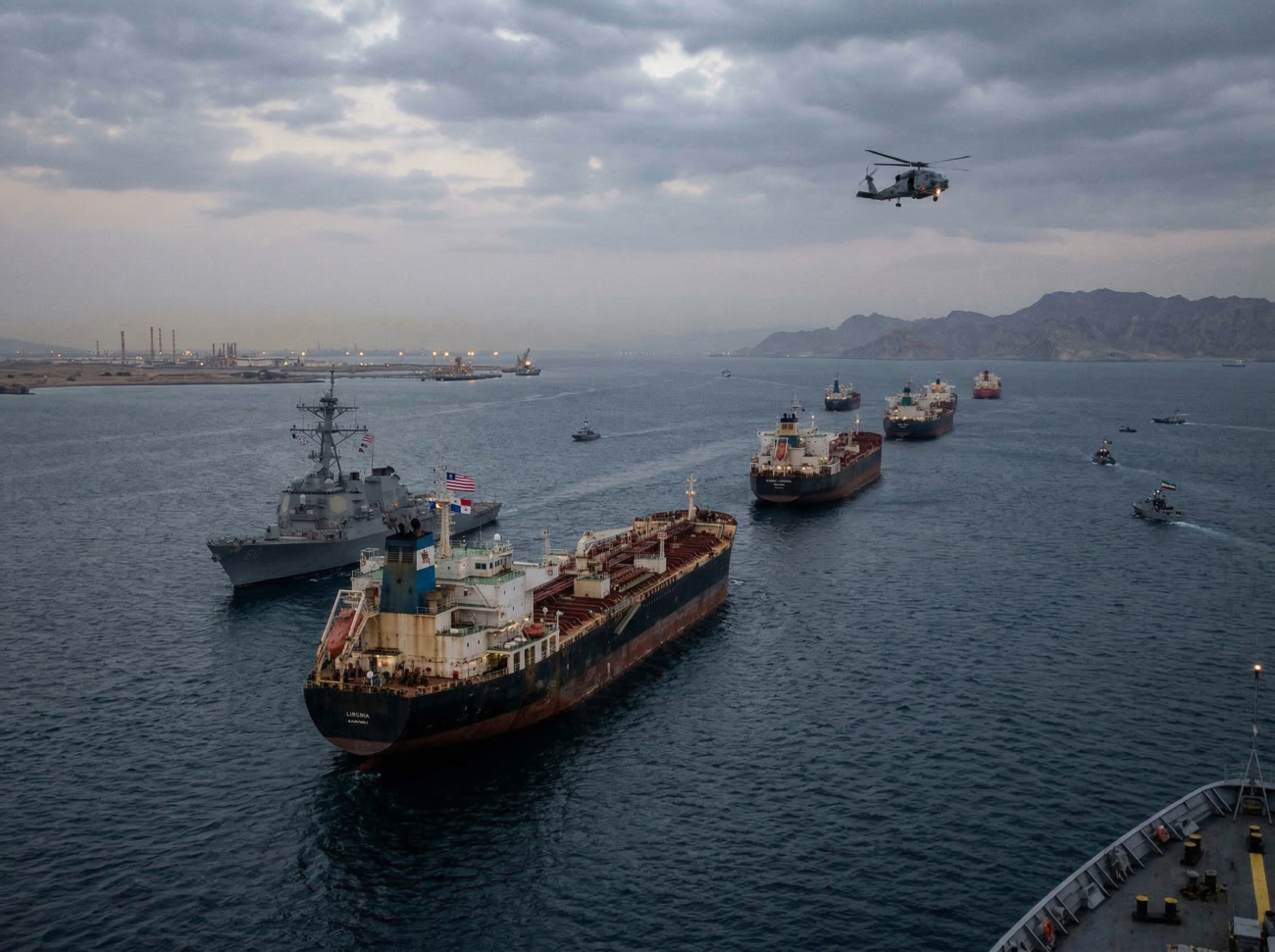
One of the most significant developments has been the closure of the Strait of Hormuz, a critical shipping route through which a large portion of the world’s oil exports pass.
Following the escalation of hostilities, Iran’s military warned vessels against entering the waterway, effectively halting shipping traffic and creating one of the largest disruptions to global energy supply in recent years.
The closure of the strait has pushed global oil prices sharply higher, with markets reacting to the risk that supply from the Persian Gulf could remain constrained for an extended period.
Energy analysts say prolonged disruptions in the region could have significant consequences for the global economy, particularly for countries heavily dependent on imported oil.
Global powers call for stability
Several international governments have urged both sides to pursue diplomatic solutions in order to prevent the conflict from escalating further.
European leaders and Asian economies reliant on Middle Eastern oil have expressed concern that prolonged fighting could destabilize global trade and energy markets.
Some countries have also begun exploring ways to secure alternative energy supplies or provide naval protection for shipping routes in the region.
However, the political divide between Washington and Tehran remains deep, making it difficult for diplomatic initiatives to gain traction.
The United States has insisted that Iran must make significant concessions regarding its nuclear program and regional activities before any agreement can be reached.
Iran, meanwhile, has rejected those demands, arguing that they undermine its national sovereignty.
Domestic political implications
The conflict is also having political repercussions within the United States.
The war has become a major issue in domestic political debates, with some lawmakers supporting the administration’s military actions while others have raised concerns about the risks of a prolonged conflict.
Critics argue that the war could draw the United States deeper into regional tensions and increase the likelihood of wider instability across the Middle East.
Supporters of the administration, however, maintain that military pressure is necessary to prevent Iran from expanding its influence and pursuing nuclear capabilities.
The debate reflects the broader challenges facing U.S. policymakers as they attempt to balance security concerns with the economic and political costs of military engagement.
Uncertain path toward peace
Despite occasional reports of potential diplomatic outreach, the prospects for a near-term peace agreement appear limited.
Trump’s rejection of the current negotiation terms suggests that the conflict could continue until one side makes significant concessions or international pressure forces a shift toward diplomacy.
For now, both Washington and Tehran appear determined to maintain their positions.
With military operations continuing and energy markets increasingly affected by the crisis, the war between the United States and Iran remains one of the most significant geopolitical developments shaping the global economy and international security environment.
ALSO READ
• Global Leaders Move to Shield Economies as War Shock Threatens Growth
• US Core Inflation Slows Ahead of Iran War as Price Pressures Ease
• Goldman Sachs and General Atlantic Must Face $4 Billion Buyout Lawsuit
Disclaimer
This article is based on publicly available information, market developments, and credible media reports. The content is intended for informational and analytical purposes only and should not be considered financial, investment, or legal advice.