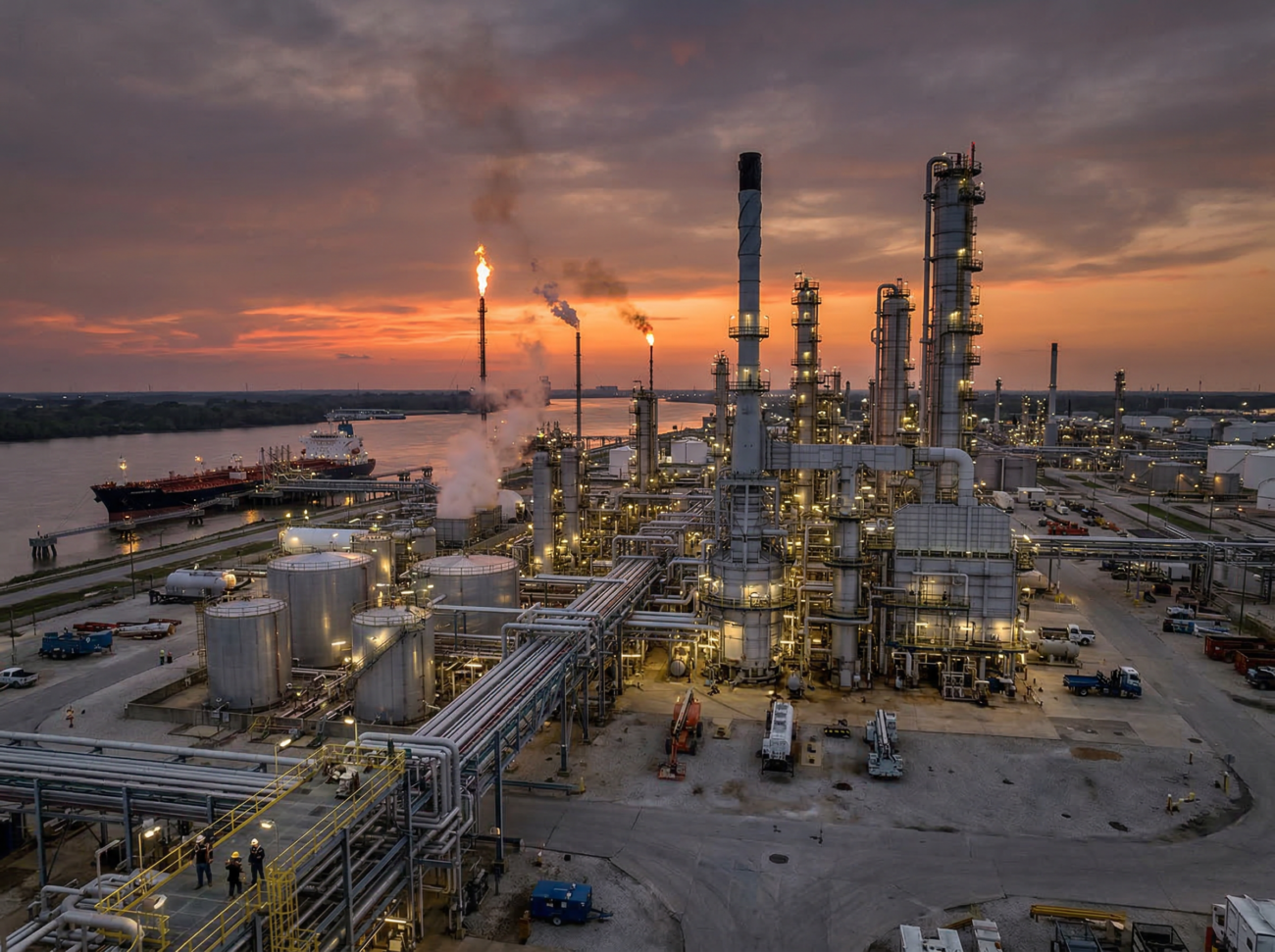
China’s state-owned oil giant Sinopec is preparing to reduce crude oil processing by more than 10% as tightening supply from the Middle East disrupts energy markets across Asia.
The planned reduction reflects growing concern among refiners about crude availability following escalating geopolitical tensions in the Gulf region, which have affected shipping routes and supply chains.
According to a report by Reuters, Sinopec — the world’s largest oil refiner by capacity — intends to cut crude processing by roughly 600,000 to 700,000 barrels per day during March as supply from the Middle East becomes increasingly constrained.
The move highlights how the ongoing regional conflict is beginning to ripple through the global energy system, forcing refiners to adjust production strategies amid tightening feedstock supplies.
Middle East disruptions hit Asian refiners
The disruption stems largely from tensions surrounding Iran and shipping risks in the Strait of Hormuz, one of the world’s most critical oil transit corridors.
Nearly 20% of global seaborne oil trade passes through the narrow waterway between Iran and Oman, making it a vital route for crude shipments to Asian markets.
With maritime transport in the region facing increased risks, several Asian refiners have struggled to secure replacement cargoes quickly enough to maintain normal processing levels.
China, the world’s largest crude importer, relies heavily on Middle Eastern oil for its refining sector. A significant portion of Sinopec’s imports also originates from Gulf producers, making the company particularly vulnerable to disruptions in the region.
Energy analysts say the tightening supply has forced refiners to reconsider operational strategies and conserve crude inventories.
Refining cuts aimed at preserving supply
Sinopec’s planned reduction in processing volumes represents one of the most significant adjustments by a major refiner since the conflict began affecting energy shipments.
The company’s cuts, which are expected to exceed 10% of its refining runs, are intended to manage supply shortages while ensuring that fuel availability within China remains stable.
Industry sources indicate that some refining units may temporarily reduce activity or shut down as part of the adjustment.
In addition to trimming crude runs, the company is also shifting its production priorities.
Refineries are expected to focus more heavily on producing transportation fuels such as diesel, gasoline and jet fuel — products that are essential for domestic consumption — rather than petrochemical feedstocks that generate lower margins.
This shift reflects the government’s focus on maintaining adequate fuel supplies for the domestic market during a period of heightened energy uncertainty.
Government policy shaping refinery strategy
China’s energy authorities have also taken steps to stabilize domestic fuel supply as the global energy market becomes increasingly volatile.
Officials have reportedly encouraged refiners to prioritize domestic fuel availability and limit exports of certain petroleum products.
Such measures are designed to prevent shortages within China if crude imports become more difficult or expensive.
The policy reflects a broader strategy often adopted during global supply disruptions, where governments seek to ensure that local energy needs are met before allowing exports to international markets.
For large refiners like Sinopec, these directives play a significant role in shaping production decisions.
Regional impact across Asia’s refining industry
Sinopec is not the only refinery operator adjusting its operations in response to the supply squeeze.
Across Asia, several refining and petrochemical companies have already begun reducing processing rates or shutting down certain units due to difficulties securing crude supplies.
Some plants in Southeast Asia and China have cut throughput or brought forward maintenance shutdowns in order to manage limited feedstock availability.
Industry analysts say these adjustments highlight the vulnerability of Asia’s refining sector to geopolitical developments in the Middle East.
Because the region depends heavily on crude imports from Gulf producers, even short-term disruptions can quickly affect refinery operations and fuel markets.
Rising oil prices add to the pressure
The supply disruptions have also contributed to sharp increases in global crude prices.
Concerns about shipping disruptions and reduced production from Gulf exporters have pushed oil benchmarks significantly higher in recent weeks.
Higher crude prices increase operating costs for refiners, squeezing profit margins and making it more difficult to maintain normal production levels.
As a result, some refiners may prefer to reduce throughput temporarily rather than process expensive crude at lower margins.
Energy market analysts say the combination of supply constraints and rising costs is creating one of the most challenging environments for refiners in recent years.
Global energy markets reacting to the crisis
The developments surrounding Sinopec’s refinery cuts illustrate how geopolitical conflicts can quickly reshape the global energy landscape.
Oil markets operate through a complex network of production, shipping and refining infrastructure.
When disruptions occur at any point in this system — whether through conflict, sanctions or shipping bottlenecks — the effects can spread rapidly across international markets.
The current situation in the Middle East has already triggered adjustments by oil producers, refiners and governments around the world.
Strategic reserves, alternative supply routes and emergency policy measures are increasingly being discussed as countries attempt to manage the potential impact on energy security.
Outlook for the oil market
Looking ahead, the scale and duration of refinery adjustments will likely depend on how long the supply disruptions persist.
If shipping routes through the Gulf region return to normal and crude shipments resume without interruption, refiners may gradually restore their processing rates.
However, if geopolitical tensions remain elevated and supply constraints continue, additional refiners across Asia could be forced to implement similar production cuts.
For now, Sinopec’s decision to reduce crude processing highlights the growing pressure on the global refining industry as energy markets navigate one of the most volatile geopolitical periods in recent years.
ALSO READ
• US Core Inflation Slows Ahead of Iran War as Price Pressures Ease
• TTK Prestige Shares Jump as Induction Cooktops Surge Amid LPG Shortage
• Anthropic Challenges Pentagon Blacklisting Over AI Restrictions
Disclaimer
This article is based on publicly available information, market developments, and credible media reports. The content is intended for informational and analytical purposes only and should not be considered financial, investment, or legal advice.