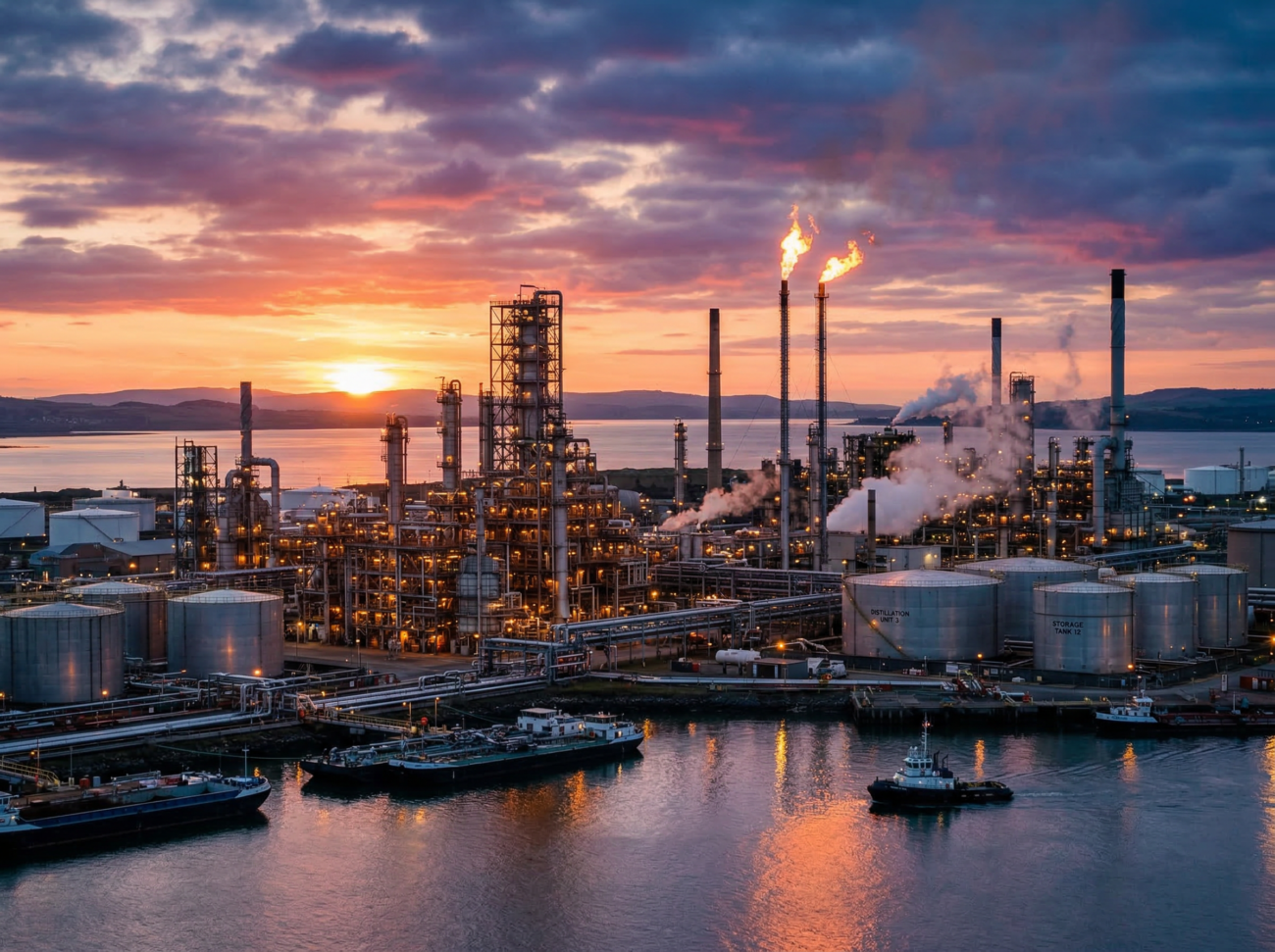
Nigeria has called on global oil producers, particularly in the Gulf region, to increase investment in the country’s energy sector as geopolitical tensions threaten to disrupt global supply routes.
The appeal comes at a time when instability in the Middle East has created uncertainty across global energy markets and renewed concerns about the concentration of oil production in a few regions.
According to a report by Reuters, Nigeria’s Foreign Minister Yusuf Maitama Tuggar said Gulf energy producers should consider Nigeria as a strategic partner rather than a competitor, particularly during times of crisis when supply chains are vulnerable to disruptions.
His remarks reflect a growing debate among policymakers and energy analysts about the need to diversify global oil supply sources to reduce risks associated with geopolitical conflicts.
Middle East tensions highlight supply vulnerability
The renewed focus on diversification comes as tensions in the Middle East disrupt energy markets and threaten one of the world’s most important oil transport routes.
The Strait of Hormuz, a narrow shipping corridor between Iran and Oman, carries roughly one-fifth of the world’s oil shipments. Any disruption in the region can quickly affect global energy prices and supply stability.
Recent military tensions involving Iran have already forced some exporters to halt shipments and contributed to sharp price fluctuations in global oil markets.
Energy analysts warn that heavy dependence on a single region for oil supply increases vulnerability for both importing and exporting nations.
As a result, governments and industry leaders are increasingly looking at alternative sources of supply in regions such as West Africa, the Americas, and offshore production zones.
Nigeria, Africa’s largest oil producer, believes it can play a larger role in strengthening global energy security.
Nigeria positions itself as strategic partner
Speaking about the changing geopolitical landscape, Tuggar emphasized that energy producers should view Nigeria as a complementary partner capable of helping stabilize global supply during times of crisis.
Nigeria holds some of the largest proven oil reserves in Africa and has long been a major supplier of crude to international markets, particularly Europe and Asia.
However, despite its resource wealth, the country has struggled with underinvestment in its oil infrastructure, pipeline vandalism, and regulatory uncertainties that have slowed production growth in recent years.
Officials now argue that increased foreign investment could help unlock Nigeria’s full energy potential.
By expanding exploration projects, upgrading infrastructure, and strengthening export capacity, the country could significantly increase its role in global energy markets.
Investment opportunities in West African energy
Nigeria’s government believes that Gulf oil producers and investors could benefit from expanding their presence in the country’s energy sector.
Partnerships with international companies could help finance new exploration projects, develop offshore oil fields, and modernize refining and transport infrastructure.
Such investments would not only increase production capacity but also improve supply resilience in the event of geopolitical disruptions elsewhere.
Energy analysts note that West Africa’s geographic location also offers logistical advantages.
Unlike Middle Eastern oil shipments that must pass through sensitive maritime chokepoints, West African exports often travel directly across the Atlantic or through relatively secure shipping routes.
This could make the region an attractive alternative source of supply for major energy consumers.
Global energy security becoming a priority
The latest geopolitical tensions have once again highlighted the importance of energy security for both producing and consuming nations.
Governments are increasingly aware that disruptions in energy markets can quickly ripple through the global economy.
Rising oil prices can push up inflation, increase transportation costs, and place pressure on industries that rely heavily on fuel and energy inputs.
The recent surge in crude prices following geopolitical tensions has already prompted discussions among global policymakers about emergency measures to stabilize markets.
Some governments are considering releasing strategic petroleum reserves to ease supply pressures and calm market volatility.
Others are encouraging greater diversification of energy sources, including both fossil fuels and renewable energy technologies.
Challenges facing Nigeria’s oil sector
While Nigeria has the potential to play a larger role in global energy markets, the country still faces several structural challenges.
Oil theft, pipeline sabotage, and regulatory uncertainty have periodically disrupted production and discouraged foreign investment.
In addition, Nigeria’s refining capacity has historically been limited, forcing the country to import refined petroleum products despite being a major crude exporter.
Recent reforms aimed at improving transparency and modernizing the energy sector are intended to attract more international investment.
The Nigerian government hopes that clearer regulations and improved infrastructure will make the country a more attractive destination for global energy companies.
Energy diversification reshaping global strategy
The call for investment in Nigeria reflects a broader shift in how governments and companies think about energy supply.
Rather than relying heavily on a small number of dominant producers, policymakers are increasingly encouraging a more diversified network of suppliers.
This approach can help reduce the risk of supply shocks and improve the stability of global energy markets.
For oil-importing countries, diversification also means reducing exposure to geopolitical risks associated with major transit routes or conflict-prone regions.
For oil-producing nations, it represents an opportunity to expand production and strengthen their position in the global energy system.
Nigeria’s long-term energy ambitions
Nigeria’s appeal to Gulf producers highlights the country’s ambition to become a more influential player in global energy markets.
With substantial oil reserves, expanding offshore exploration projects, and a strategic geographic position, the country believes it can contribute to greater supply stability during periods of global crisis.
However, realizing that vision will require sustained investment, improved governance, and stronger cooperation with international partners.
If these challenges are addressed, Nigeria could emerge as a key pillar in efforts to diversify global oil supply and reduce the risks associated with concentrated production in a few regions.
As geopolitical tensions continue to reshape energy markets, the push for diversified supply chains may become one of the defining trends in the future of the global oil industry.
ALSO READ
• China Moves to Limit Use of OpenClaw AI at Banks and Government Agencies
• Nigeria Urges Oil Producers to Invest to Diversify Global Supply During Energy Crisis
• NY Fed Survey Signals Stable Inflation Expectations Before Iran Conflict
Disclaimer
This article is based on publicly available information, market developments, and credible media reports. The content is intended for informational and analytical purposes only and should not be considered financial, investment, or legal advice.