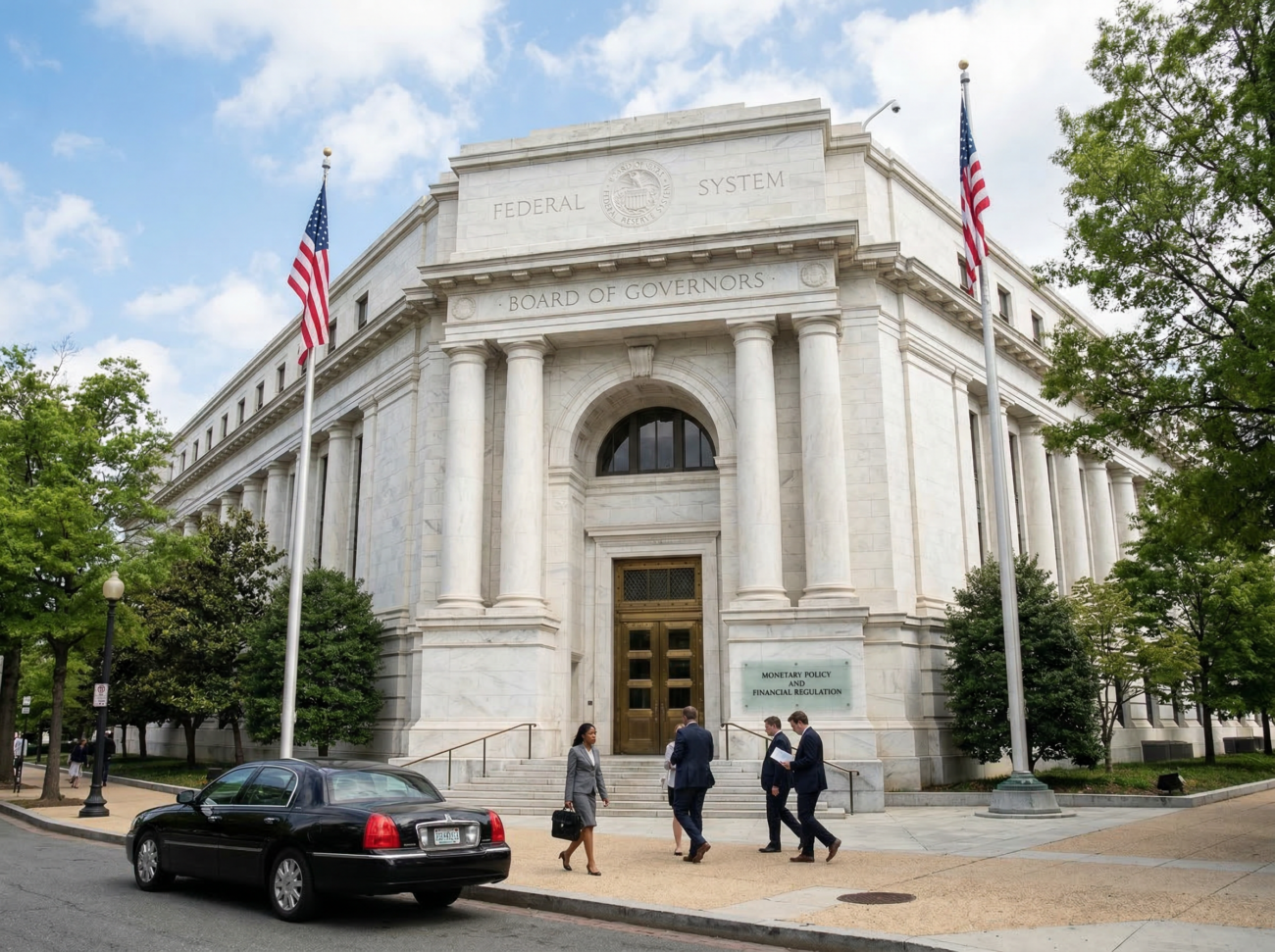
Morgan Stanley has delayed its forecast for the U.S. Federal Reserve’s first interest rate cut to September 2026, joining other major Wall Street firms in reassessing the outlook for monetary policy amid rising inflation concerns.
The revision reflects growing uncertainty over the trajectory of inflation, particularly as higher oil prices linked to geopolitical tensions in the Middle East complicate the economic outlook.
According to a report by Reuters, the investment bank now expects the Federal Reserve to deliver its first rate cut in September, rather than June as previously anticipated, followed by another reduction in December.
Shift in expectations across Wall Street
Morgan Stanley’s updated forecast aligns with similar revisions by other global banks, including Goldman Sachs and Barclays, which have also pushed back expectations for rate cuts.
Earlier in the year, many economists and market participants had expected the Fed to begin easing policy around mid-2026 as inflation showed signs of cooling.
However, recent developments—particularly rising energy prices—have prompted a reassessment of that timeline.
The shift highlights how quickly market expectations can change in response to evolving economic conditions.
Oil prices driving inflation concerns
A key factor behind the revised outlook is the sharp rise in oil prices following escalating tensions in the Middle East.
Supply disruptions and risks to shipping routes have pushed energy costs higher, raising concerns that inflation could remain elevated for longer than expected.
Higher oil prices tend to feed into broader inflation by increasing transportation costs, production expenses and consumer prices.
Morgan Stanley and other analysts warn that these pressures could delay the Federal Reserve’s ability to cut interest rates.
Fed faces a complex policy environment
The Federal Reserve is navigating a challenging environment as it balances the need to control inflation with the risk of slowing economic growth.
Higher energy prices can have a dual effect:
- pushing inflation higher
- reducing consumer spending and economic activity
This creates a policy dilemma for central banks.
If the Fed cuts rates too early, it risks reigniting inflation.
If it keeps rates elevated for too long, it could slow the economy further.
For now, policymakers appear to be adopting a cautious approach, waiting for clearer signals before making changes.
Revised rate-cut outlook
Under Morgan Stanley’s updated forecast, the Federal Reserve is expected to implement:
- One rate cut in September 2026
- Another cut in December 2026
This represents a delay from the bank’s earlier expectation of cuts beginning in June.
The revised timeline reflects a more gradual approach to monetary easing, with policymakers likely to remain cautious until inflation shows more consistent signs of decline.
Market expectations shifting
Financial markets have already begun adjusting to the new outlook.
Investors have reduced expectations for near-term rate cuts, with many now anticipating that interest rates will remain unchanged for longer.
According to market data, there is a significant probability that rates could remain steady through much of the year, reflecting uncertainty about inflation trends.
Bond yields have also moved higher in recent weeks, as investors demand greater returns in response to inflation risks.
Fed officials signal uncertainty
Federal Reserve officials have acknowledged the challenges posed by rising energy prices, while emphasizing uncertainty about how these developments will affect the broader economy.
Fed Chair Jerome Powell has indicated that while energy-driven inflation could be temporary, its persistence remains unclear.
Policymakers are therefore closely monitoring incoming data on inflation, employment and economic growth before making policy decisions.
The central bank has maintained a “wait-and-see” stance, reflecting caution in the face of uncertain conditions.
Risk of further delays
Morgan Stanley has warned that if inflation remains elevated or continues to rise, the timeline for rate cuts could be pushed back even further.
Persistent inflation pressures could force the Fed to maintain higher interest rates for longer than currently expected.
However, the bank also noted that a sharp slowdown in economic activity or weakening labor market conditions could accelerate rate cuts.
This underscores the uncertainty surrounding the economic outlook and the difficulty of predicting monetary policy decisions.
Broader implications for financial markets
The delay in expected rate cuts has implications across financial markets.
Higher interest rates can affect:
- borrowing costs for businesses and consumers
- mortgage rates and housing markets
- equity valuations and investment decisions
For investors, the revised outlook may require adjustments to portfolio strategies.
Some may shift toward assets that perform better in higher-rate environments, while others may focus on inflation-hedging investments.
Global trend among central banks
The shift in expectations is not limited to the United States.
Central banks around the world are facing similar challenges as rising energy prices and geopolitical tensions affect inflation and growth.
Several institutions have delayed or reconsidered plans for monetary easing, reflecting the global nature of the current economic environment.
The situation highlights how interconnected global markets have become, with developments in one region influencing policy decisions elsewhere.
Outlook for U.S. monetary policy
Looking ahead, the timing of future rate cuts will depend largely on the trajectory of inflation and economic growth.
If energy prices stabilize and inflation pressures ease, the Fed may still be able to begin cutting rates later in the year.
However, if inflation remains stubbornly high, policymakers may need to maintain current rates for longer.
For now, Morgan Stanley’s revised forecast reflects a more cautious outlook, with the central bank expected to delay easing until clearer signs of inflation control emerge.
ALSO READ
• SEC Proposal to End Quarterly Earnings Could Disrupt Finance Jobs
• Nebius Stock Surges After $27 Billion AI Data Center Deal With Meta
• iPhone 18 Series: Expected Launch Date, Price in India, Camera and Features
Disclaimer
This article is based on publicly available information, market developments, and credible media reports. The content is intended for informational and analytical purposes only and should not be considered financial, investment, or legal advice.