An Italian football club located on the scenic shores of Lake Como is experimenting with artificial intelligence and premium ticket packages in an effort to modernize its fan experience and expand global appeal.
The initiative reflects a broader trend in European football where clubs are increasingly combining technology, data analytics and luxury hospitality offerings to attract new audiences and generate additional revenue.
According to a report by Bloomberg, the club is testing a premium matchday experience that includes high-priced tickets—around €1,000 in some packages—while also integrating artificial intelligence tools designed to enhance fan engagement and digital interaction.
The strategy highlights how football organizations are exploring innovative ways to blend sports, technology and entertainment in order to compete in an increasingly globalized industry.
A picturesque club with global ambitions
The club at the center of the experiment is Como 1907, a historic Italian team based in the city of Como, situated along the shores of Lake Como.
Its home ground, Stadio Giuseppe Sinigaglia, is widely regarded as one of the most picturesque football venues in Europe, with views overlooking the lake and surrounding Alpine landscape.
Despite its historic setting, the club has ambitious plans to transform itself into a modern football brand with global recognition.
Club executives believe that combining luxury matchday experiences with new digital technologies could help attract international supporters and elevate the club’s profile beyond traditional football markets.
Premium ticket packages reshape matchday experience
Central to the club’s strategy is a new tier of premium matchday tickets designed to offer an exclusive stadium experience.
These packages include high-end hospitality services, private seating areas and additional digital content designed to enhance the experience for visiting fans.
Some packages are priced near €1,000, reflecting the club’s effort to position the experience closer to luxury entertainment events rather than traditional football matches.
Club officials say the idea is not simply to increase ticket prices but to create a new category of matchday experience aimed at international tourists, business travelers and high-spending football enthusiasts.
Lake Como’s reputation as a luxury travel destination—frequented by celebrities and wealthy tourists—makes it a natural location for such premium offerings.
Artificial intelligence enters the stadium
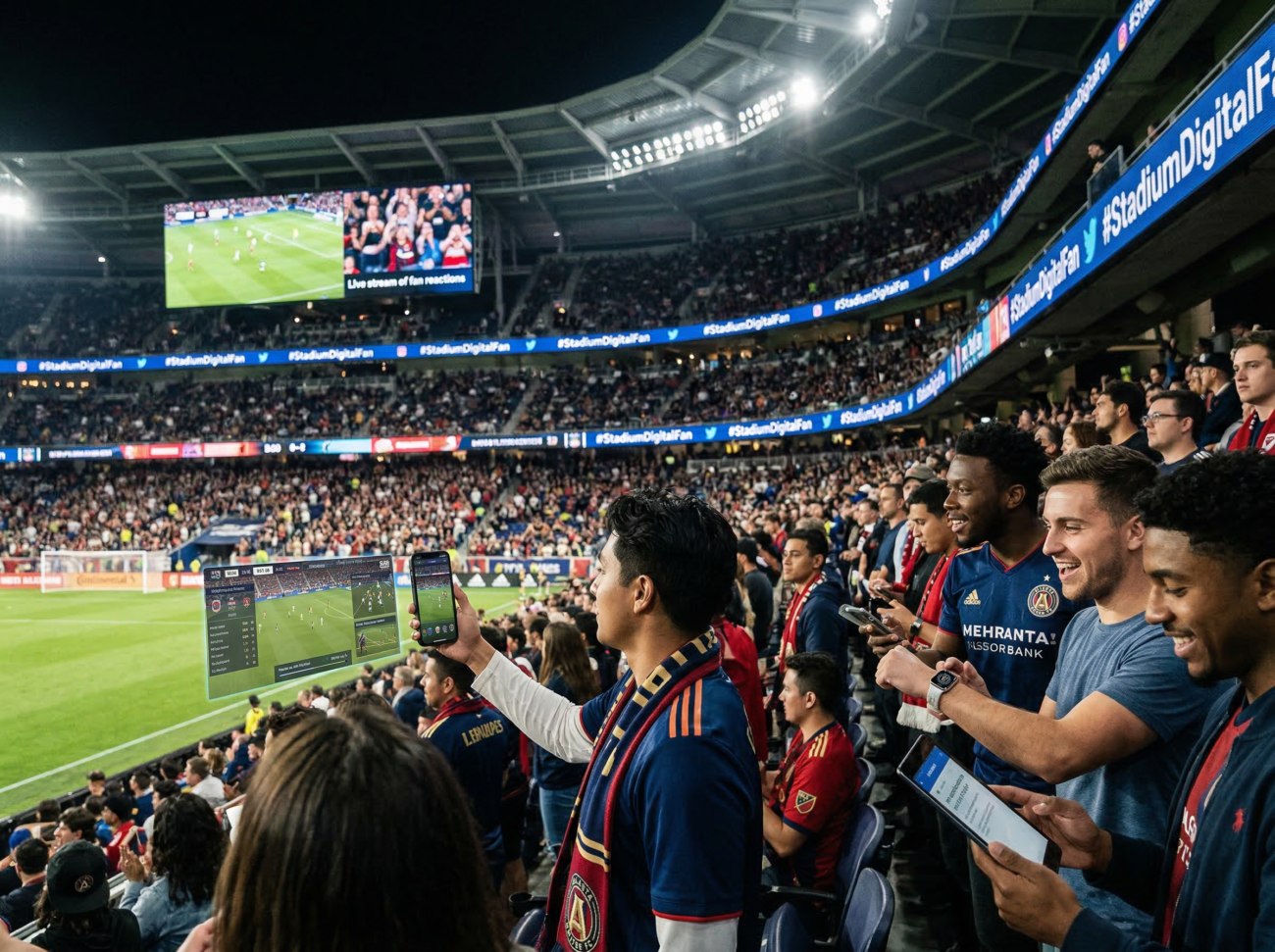
Alongside the premium hospitality concept, the club is also experimenting with artificial intelligence tools designed to enhance fan engagement both inside and outside the stadium.
These systems can analyze fan behavior, ticket demand patterns and social media activity to help the club tailor marketing campaigns and improve the overall fan experience.
AI-driven platforms may also be used to deliver personalized content to supporters through mobile applications and digital platforms.
For example, fans could receive customized match highlights, player statistics or interactive content depending on their interests and engagement patterns.
The use of artificial intelligence reflects a broader trend across the sports industry, where teams increasingly rely on data analytics to understand fan behavior and optimize revenue streams.
Social media and digital communities
One unusual element of the club’s digital strategy involves leveraging online communities and social media personalities to broaden its global reach.
Digital mascots, fan influencers and online campaigns are being used to connect with international audiences who may never have visited the stadium but still follow the club’s activities online.
This approach mirrors strategies used by major European clubs that have built massive global fan bases through digital platforms.
By combining AI-driven insights with creative online engagement, the club hopes to strengthen its brand presence in international markets.
Technology reshaping football economics
The initiative by Como 1907 highlights how the economics of football are evolving.
Traditional revenue streams such as ticket sales, television rights and sponsorship deals remain important, but clubs are increasingly looking for new ways to monetize fan engagement.
Premium hospitality experiences, data-driven marketing and digital content platforms are becoming key elements of modern sports business models.
Artificial intelligence in particular is playing a growing role in the industry.
Teams are using AI not only for marketing and fan engagement but also for player performance analysis, scouting and tactical planning.
As technology continues to reshape professional sports, clubs that adopt digital innovations early may gain a competitive advantage both on and off the field.
Balancing tradition and innovation
Despite the club’s ambitious technological push, executives say they remain committed to preserving the historic character of the team and its iconic lakeside stadium.
For many supporters, the charm of the venue lies precisely in its traditional atmosphere and scenic surroundings.
The challenge for the club will be integrating modern technology and luxury offerings without undermining the authentic football culture that long-time fans value.
Sports analysts say the experiment at Como 1907 could become a model for smaller European clubs seeking new ways to remain competitive in a global sports market increasingly dominated by wealthy teams.
A glimpse into football’s future
As football evolves into a global entertainment industry, clubs are searching for ways to blend sport, technology and hospitality into a unified experience.
The experiment unfolding on the shores of Lake Como represents one example of how innovation is reshaping the traditional football business model.
Whether premium tickets and artificial intelligence can successfully transform the fan experience remains to be seen.
But for one picturesque Italian club, the future of football may lie at the intersection of data, digital engagement and the timeless spectacle of the game itself.
ALSO READ
• US Core Inflation Slows Ahead of Iran War as Price Pressures Ease
• TTK Prestige Shares Jump as Induction Cooktops Surge Amid LPG Shortage
• IndiGo CEO Pieter Elbers Resigns After Major Operational Crisis
Disclaimer
This article is based on publicly available information, market developments, and credible media reports. The content is intended for informational and analytical purposes only and should not be considered financial, investment, or legal advice.