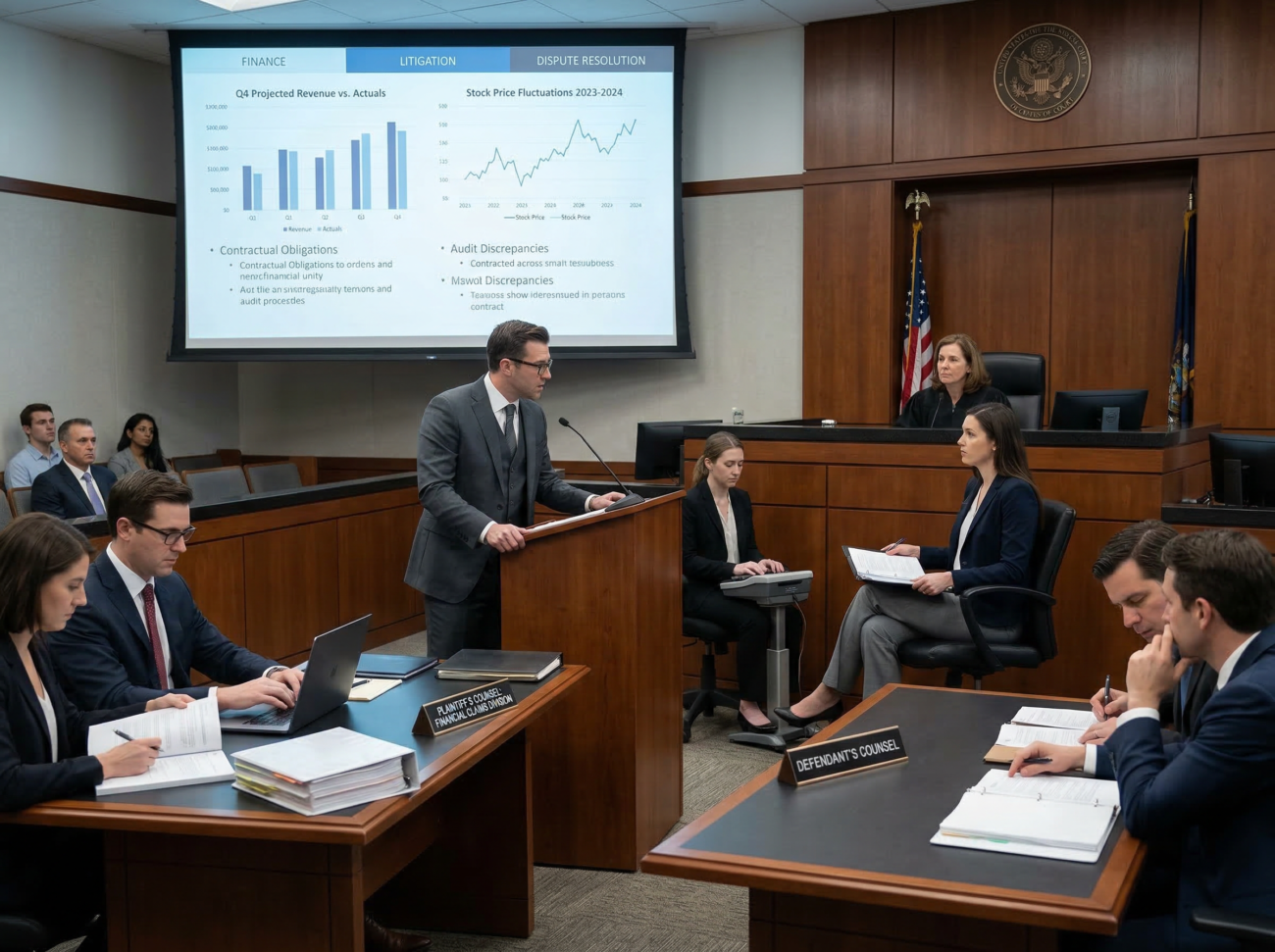
A U.S. court has ruled that Goldman Sachs and private equity firm General Atlantic must face litigation related to a $4 billion corporate buyout, allowing shareholder claims to move forward in a case that highlights growing scrutiny of private equity transactions.
The ruling by a Delaware Chancery Court judge rejected attempts by the firms to dismiss allegations connected to the sale of software company EngageSmart, opening the door for further legal proceedings.
According to a report by Bloomberg Law, the court concluded that the claims raised by shareholders were plausible enough to proceed, particularly regarding allegations that deal insiders may have concealed a significant payment during the transaction.
The lawsuit centers on claims that the buyout structure may have disadvantaged minority shareholders while benefiting controlling investors involved in the deal.
Dispute linked to $4 billion EngageSmart transaction
The legal battle stems from the $4 billion sale of EngageSmart, a software and digital payments company that provides billing and customer engagement solutions to businesses.
At the time of the transaction, General Atlantic was the company’s controlling shareholder and played a major role in shaping the terms of the deal.
Shareholders allege that the buyout arrangement allowed certain insiders to extract additional financial benefits that were not fully disclosed to public investors during the sale process.
The lawsuit claims that these actions may have influenced the overall structure and valuation of the transaction.
Legal filings suggest that some investors believe the deal unfairly reduced the value received by public shareholders when the company was sold.
Allegations of undisclosed dividend
Central to the dispute is an allegation that insiders may have arranged a previously undisclosed dividend payment worth roughly $500 million.
The payment was allegedly directed to General Atlantic before the completion of the transaction.
Shareholders argue that the dividend effectively shifted value away from minority investors while allowing the controlling shareholder to increase its total financial return from the deal.
According to the court’s preliminary findings, the allegations—if proven—could suggest that insiders had incentives to lower the official sale price while still benefiting financially through additional payments tied to the transaction.
The judge stated that such claims were credible enough to justify further legal examination rather than being dismissed at an early stage.
Role of Goldman Sachs questioned
Goldman Sachs is also a defendant in the lawsuit due to its advisory role in the transaction.
Plaintiffs argue that the investment bank may have been involved in structuring the deal and advising parties connected to the sale.
Critics of the transaction have questioned whether the advisory arrangements created potential conflicts of interest during the deal process.
In complex mergers and acquisitions, investment banks often provide strategic advice, financing guidance, and valuation analysis.
However, when the same institution works with multiple parties in a transaction, legal disputes can arise over whether its role influenced the fairness of the process.
The court’s decision does not determine whether Goldman Sachs acted improperly but allows the case to proceed so that the claims can be examined more closely.
Delaware court plays central role in corporate disputes
The case is being heard in the Delaware Court of Chancery, one of the most influential courts for corporate law in the United States.
Many major American corporations are incorporated in Delaware, meaning disputes involving mergers, acquisitions and shareholder rights are frequently litigated there.
The court specializes in complex corporate governance issues and often sets legal precedents that influence business practices across the country.
Because of its reputation for handling high-profile corporate disputes, rulings from the Delaware Chancery Court are closely watched by investors, lawyers and corporate executives.
The decision to allow the lawsuit to proceed therefore carries broader implications for the private equity industry and the structure of future buyout transactions.
Private equity deals face increasing scrutiny
The EngageSmart case highlights how private equity transactions have come under greater scrutiny in recent years.
Private equity firms often acquire companies using complex financial structures designed to maximize investment returns.
While these deals can generate significant value for investors, they can also raise concerns about transparency and fairness for minority shareholders.
Legal experts say disputes often arise when controlling investors have the power to influence deal terms that affect both their own financial interests and those of public shareholders.
As a result, courts frequently examine whether transactions involving controlling shareholders were conducted in a manner that protects minority investors.
Implications for dealmakers and investors
Although the case is still in its early stages, the court’s decision signals that shareholder claims related to private equity buyouts will continue to receive careful judicial scrutiny.
If the plaintiffs ultimately succeed, the litigation could result in financial damages or changes to corporate governance practices.
For investment banks and private equity firms, the case serves as a reminder that transparency and disclosure remain critical elements of complex transactions.
Corporate lawyers note that even perceived conflicts of interest can lead to lengthy litigation and reputational risks for firms involved in major deals.
Next steps in the legal process
With the motion to dismiss denied, the lawsuit will now move into the next phase of legal proceedings.
Both sides will likely engage in discovery, a process where documents, communications and financial records related to the transaction are examined.
This stage often reveals additional details about how the deal was structured and what information was shared with investors.
The outcome of the case could take years to resolve, depending on whether the parties reach a settlement or proceed to trial.
For now, the ruling ensures that the claims surrounding the $4 billion buyout will receive a full judicial review in one of the most closely watched corporate courts in the United States.
ALSO READ
• Oil Prices Surge Amid Iran Conflict Before Pulling Back from Multi-Year Highs
• LPG Supply Concerns Spread Across India as Fuel Shortage Fears Rise
• CVC Capital Partners Posts Annual Profit Slightly Above Expectations
Disclaimer
This article is based on publicly available information, market developments, and credible media reports. The content is intended for informational and analytical purposes only and should not be considered financial, investment, or legal advice.