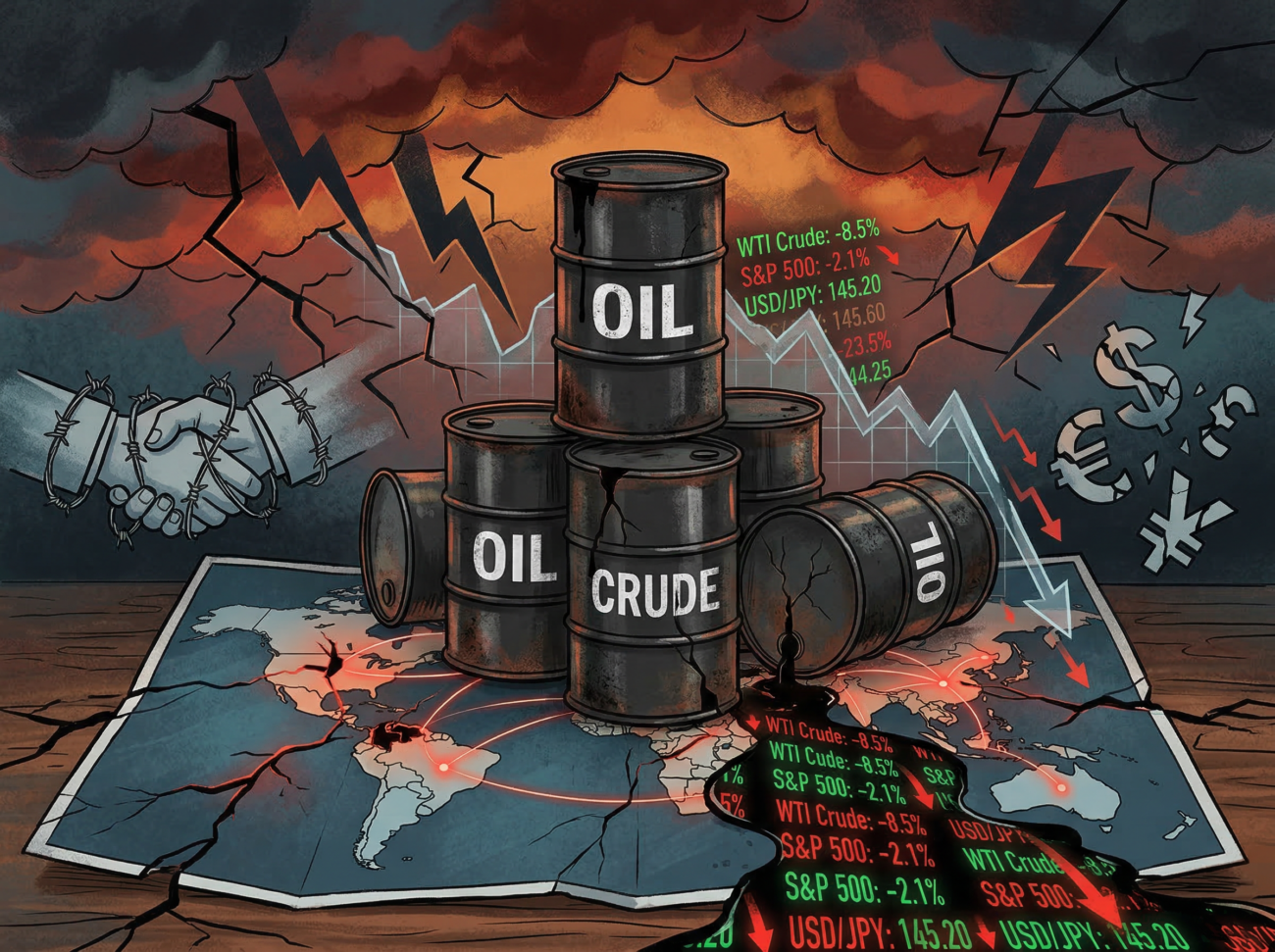
Global policymakers are rushing to protect their economies from the ripple effects of escalating geopolitical tensions that are shaking energy markets, financial systems, and global trade.
Governments across Europe, Asia, and North America are evaluating emergency economic measures as the conflict in the Middle East pushes up oil prices and raises concerns about supply disruptions. According to a report by Bloomberg, policymakers are increasingly preparing contingency plans to cushion their economies from a potential wave of inflation and slower growth triggered by war-driven commodity shocks.
The economic consequences of war rarely remain confined to the battlefield. In the current environment, energy markets have become the primary transmission channel through which geopolitical tensions are spreading across the global economy.
Energy markets at the center of the shock
Oil prices surged sharply in recent weeks as fears mounted over disruptions to supplies from the Middle East, one of the world’s most critical energy-producing regions. The Strait of Hormuz — a narrow maritime route that carries a significant share of global oil shipments — has become a focal point of concern for traders and policymakers alike.
A disruption in this corridor could affect roughly one-fifth of global oil supplies, a scenario that would likely trigger further price spikes and supply shortages.
For energy-importing economies, the implications are immediate. Higher crude prices translate quickly into rising transportation costs, higher electricity bills, and inflationary pressure across supply chains.
Economists warn that sustained increases in energy costs could undermine consumer spending and slow industrial production, particularly in emerging markets that rely heavily on imported fuel.
Governments preparing economic defenses
In response to the growing uncertainty, governments are considering a range of policy tools designed to shield households and businesses from the shock.
Among the options being discussed are releases of strategic oil reserves, temporary subsidies on fuel prices, and fiscal measures to support vulnerable industries.
Some governments are also reviewing trade policies and supply chain strategies to reduce dependence on regions affected by the conflict. The goal is to maintain economic stability while preventing inflation from spiraling out of control.
Energy-importing nations in Asia are particularly exposed to the price surge. Rising energy bills could strain public finances and widen fiscal deficits, forcing policymakers to strike a delicate balance between supporting growth and maintaining financial stability.
Inflation risks return to the global economy
The sudden surge in commodity prices threatens to complicate the work of central banks that had been attempting to stabilize inflation after years of economic turbulence.
Even a modest increase in energy prices can push global inflation higher and slow economic growth. Economists estimate that a prolonged rise in oil prices could add significant pressure on consumer prices worldwide while simultaneously reducing purchasing power.
For central banks, this creates a familiar dilemma: tightening monetary policy could contain inflation but risk pushing fragile economies toward recession, while maintaining loose policy could allow price pressures to spread.
The current situation has revived memories of the oil shocks of the 1970s, when geopolitical conflicts triggered dramatic spikes in energy prices that led to years of stagflation across advanced economies.
Financial markets reacting to geopolitical risk
Financial markets have already begun pricing in the heightened geopolitical risk.
Energy stocks and commodities have rallied, while investors have become more cautious toward sectors that are highly sensitive to energy costs, such as airlines, logistics companies, and manufacturing firms.
At the same time, safe-haven assets such as government bonds and gold have seen renewed interest as investors seek protection against uncertainty.
Market analysts note that geopolitical conflicts tend to affect economies through multiple channels — not only through energy prices but also through disruptions to trade routes, shipping costs, and investor confidence.
The longer a conflict persists, the greater the risk that these shocks become embedded in the global economic system.
Global trade and supply chains under pressure
Beyond energy markets, the war is also threatening to disrupt international trade and logistics networks.
Airspace restrictions, maritime security concerns, and sanctions could slow the movement of goods across regions, raising costs for companies that rely on global supply chains.
In recent years, businesses have already been adapting to a world of increasing geopolitical tension. Many companies have begun diversifying suppliers and building regional supply chains to reduce dependence on single markets.
However, a sudden escalation in conflict can still trigger immediate disruptions, forcing companies to revise production schedules, reroute shipments, or absorb higher costs.
The broader economic outlook
Despite the rising uncertainty, economists caution that the long-term impact on the global economy will depend largely on how long the conflict lasts.
If tensions ease quickly, the economic shock may remain limited to temporary volatility in energy markets. But a prolonged conflict could have far more serious consequences.
Sustained high oil prices could push inflation higher, weaken economic growth, and increase the risk of recession in vulnerable economies.
History shows that geopolitical shocks often produce cascading economic effects that extend far beyond the initial crisis.
For now, governments and central banks are closely monitoring the situation, aware that the global economy — still recovering from recent disruptions — may once again face a period of heightened volatility.
As policymakers scramble to protect their economies from the latest geopolitical shock, the coming weeks could prove decisive in determining whether the world faces a temporary setback or a deeper economic challenge.
ALSO READ
• Anthropic Challenges Pentagon Blacklisting Over AI Restrictions
• Oil Prices Surge Amid Iran Conflict Before Pulling Back from Multi-Year Highs
• NY Fed Survey Signals Stable Inflation Expectations Before Iran Conflict
Disclaimer
This article is based on publicly available information, market developments, and credible media reports. The content is intended for informational and analytical purposes only and should not be considered financial, investment, or legal advice.