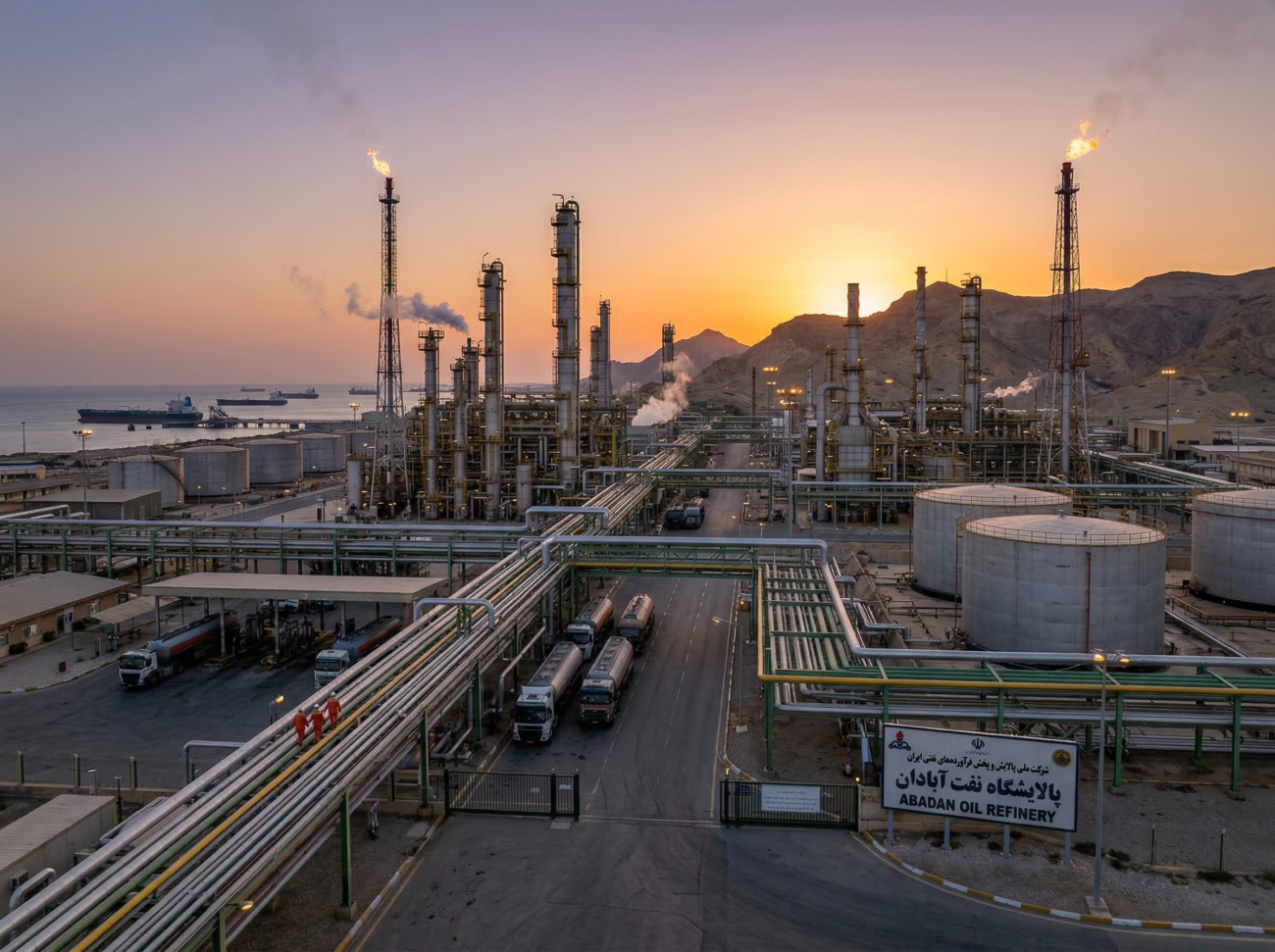
The United States has authorized a temporary 30-day window allowing the delivery and sale of Iranian-origin oil already loaded onto tankers, in a move aimed at easing global supply constraints and stabilizing energy markets amid rising geopolitical tensions.
The decision reflects growing urgency within the U.S. administration to address surging oil prices, which have been driven higher by ongoing conflict in the Middle East and disruptions to key shipping routes.
According to a report by Reuters, the U.S. Treasury issued a general license permitting the sale and delivery of crude oil and petroleum products of Iranian origin for a limited period.
Temporary sanction relief to boost supply
The authorization allows transactions involving Iranian oil that had already been loaded onto vessels before the issuance of the license.
The measure is designed to bring additional barrels into global markets quickly, without fully lifting sanctions on Iran’s oil exports.
Officials indicated that the waiver will remain in effect for 30 days, providing a short-term boost to supply at a time when markets are facing significant uncertainty.
The move follows similar actions by the U.S. in recent weeks, including temporary waivers on other sanctioned oil supplies, as policymakers seek to contain the impact of rising energy costs.
Oil markets under pressure
Global oil prices have surged sharply in recent weeks, driven by escalating tensions involving Iran and disruptions to supply routes in the Middle East.
The Strait of Hormuz, a critical transit point for global oil shipments, has been particularly affected, with reduced traffic raising concerns about supply shortages.
These developments have pushed crude prices above $100 per barrel, increasing inflationary pressures across major economies.
Higher energy costs are affecting everything from transportation and manufacturing to household expenses, complicating the outlook for global economic growth.
Strategic move to stabilize prices
The U.S. decision to allow limited sales of Iranian oil reflects a broader strategy to stabilize markets without fundamentally altering its sanctions policy.
By targeting oil already in transit, the administration aims to:
- increase supply in the short term
- prevent further price spikes
- minimize financial benefits to Iran
Officials have emphasized that the measure is temporary and narrowly focused, ensuring that broader sanctions remain in place.
The approach allows policymakers to address immediate market concerns while maintaining pressure on Iran’s economy.
Limited impact on Iran’s revenues
While the move enables additional oil to reach global markets, its impact on Iran’s financial position is expected to be limited.
The authorization applies only to oil already loaded onto tankers, meaning it does not significantly expand Iran’s production or export capacity.
In addition, restrictions on financial transactions and access to international banking systems remain in place.
This ensures that while the oil can be sold, Iran’s ability to access the resulting revenues is constrained.
Potential benefits for global buyers
The temporary waiver is expected to benefit major oil-importing regions, particularly in Asia.
Countries such as China and India, which have historically been significant buyers of Iranian crude, could see increased availability of supply in the near term.
Faster access to additional oil could help ease pressure on refining operations and reduce the risk of supply shortages.
However, the short duration of the authorization means that its impact may be limited unless further measures are introduced.
Part of broader policy response
The decision is part of a wider set of actions by the U.S. aimed at managing the impact of rising energy prices.
Policymakers have also considered:
- releasing oil from strategic reserves
- coordinating with allies to increase production
- supporting efforts to secure shipping routes
These measures highlight the scale of the challenge facing global energy markets, as geopolitical tensions intersect with supply constraints.
Analysts question effectiveness
Despite the intention to stabilize markets, some analysts have questioned whether the measure will have a meaningful impact.
The limited scope and duration of the authorization may only provide temporary relief, particularly if disruptions to supply routes continue.
Experts note that restoring stability in energy markets will ultimately depend on resolving geopolitical tensions and reopening key shipping lanes.
Without these developments, additional supply measures may have only a modest effect on prices.
Implications for inflation and policy
The surge in oil prices has already influenced central bank policy decisions around the world.
Higher energy costs are contributing to persistent inflation, prompting policymakers to delay or reconsider plans for interest rate cuts.
In the United States, the Federal Reserve has adopted a cautious stance, emphasizing the need to monitor inflation trends closely.
The temporary increase in oil supply could help ease some pressure, but its overall impact on inflation remains uncertain.
Market reaction remains cautious
Financial markets have reacted cautiously to the announcement.
While the additional supply may help limit further price increases, investors remain focused on the broader geopolitical situation.
Energy markets continue to exhibit high volatility, with prices responding rapidly to developments in the Middle East.
At the same time, equity and bond markets are adjusting to the implications of higher energy costs and shifting expectations for monetary policy.
Outlook for oil markets
Looking ahead, the trajectory of oil prices will depend on several key factors:
- the evolution of geopolitical tensions
- the stability of shipping routes
- the effectiveness of policy measures
If supply disruptions persist, prices could remain elevated despite temporary relief measures.
Conversely, if tensions ease and supply routes reopen, markets may stabilize more quickly.
For now, the U.S. decision to allow limited sales of Iranian oil highlights the urgency of addressing supply shortages and the challenges of balancing geopolitical strategy with economic stability.
ALSO READ
• Thyssenkrupp Steel Deal With Jindal Faces Delays, Raises Doubts
• Morgan Stanley Pushes Back Fed Rate Cut Forecast to September 2026
• Singapore Gold Sellers Boost Supply and Storage as Demand Surges Amid Middle East Crisis
Disclaimer
This article is based on publicly available information, market developments, and credible media reports. The content is intended for informational and analytical purposes only and should not be considered financial, investment, or legal advice.