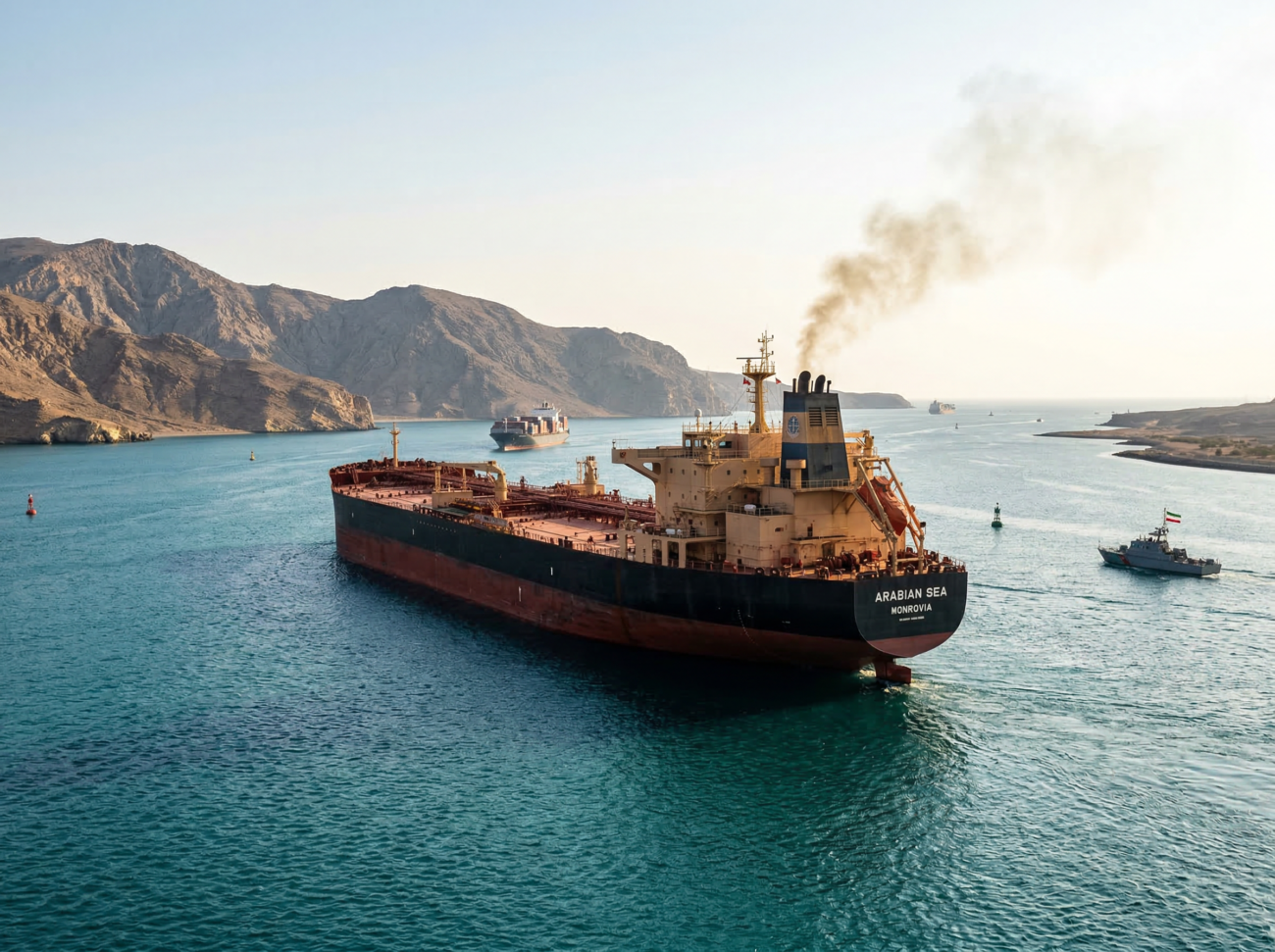
European countries and Japan have expressed readiness to support efforts to ensure safe passage through the Strait of Hormuz and stabilise global energy markets, as the ongoing conflict involving Iran continues to disrupt oil supplies and heighten economic risks.
The joint stance reflects growing international concern over the impact of the crisis on global trade, inflation and energy security, particularly as one of the world’s most critical oil transit routes faces continued disruption.
According to a report by Reuters, key European nations including Britain, France, Germany, Italy and the Netherlands, along with Japan, said they are prepared to contribute to efforts aimed at reopening the strategic waterway and stabilising energy markets.
Coordinated response to energy market disruption
The Strait of Hormuz is a vital chokepoint for global energy flows, with a significant portion of the world’s oil and liquefied natural gas passing through the narrow waterway.
Recent attacks on shipping and energy infrastructure have effectively disrupted traffic, raising fears of supply shortages and a potential global energy crisis.
In response, the group of countries issued a joint statement emphasizing their willingness to support initiatives that ensure the free flow of energy supplies.
They also indicated plans to work with oil-producing nations to increase output and offset supply disruptions, helping to stabilise markets.
Strategic petroleum reserves part of response
As part of broader efforts to manage the crisis, the countries also backed the use of strategic petroleum reserves.
Releasing emergency oil stockpiles can help cushion the immediate impact of supply disruptions and prevent extreme price spikes.
The move reflects a coordinated approach involving both governments and international institutions to maintain stability in energy markets.
The International Energy Agency has already taken steps to support such measures, signalling the seriousness of the situation.
Maritime security under consideration
Ensuring safe passage through the Strait of Hormuz has become a top priority for the international community.
The joint statement highlighted readiness to contribute to “appropriate efforts” to secure maritime routes, though specific details of military or logistical involvement remain unclear.
Several countries have been cautious about direct military engagement, preferring diplomatic and multilateral approaches to address the crisis.
European officials have emphasized the importance of avoiding escalation while ensuring that commercial shipping can resume safely.
Broader geopolitical context
The developments come amid an intensifying conflict in the Middle East that has already triggered significant volatility in global markets.
Iran’s actions, including attacks on vessels and restrictions on shipping routes, have been widely condemned by Western and allied nations.
The disruption has amplified concerns about global energy security, particularly for countries heavily dependent on imports.
Japan, for example, relies on the Middle East for a large share of its energy needs, making stability in the region a critical priority.
Impact on global economy
The disruption to oil flows through the Strait of Hormuz has already had ripple effects across the global economy.
Energy prices have surged, contributing to rising inflation and complicating monetary policy decisions for central banks worldwide.
Economists warn that prolonged disruptions could:
- increase transportation and production costs
- slow global economic growth
- delay interest rate cuts by central banks
The situation has also affected trade flows, with some analysts warning that continued instability could reduce global trade growth in the coming months.
Growing international coalition
The joint statement by European nations and Japan is part of a broader international effort to address the crisis.
Additional countries, including Canada and South Korea, have also joined calls for maintaining freedom of navigation and ensuring the safe passage of commercial vessels.
The expanding coalition underscores the global importance of the Strait of Hormuz, which serves as a key link in the world’s energy supply chain.
Balancing diplomacy and security
Despite the willingness to support efforts in the region, many countries remain cautious about becoming directly involved in military operations.
European policymakers have stressed the need for diplomatic solutions, highlighting the risks of escalation in an already volatile region.
At the same time, they acknowledge that maintaining open shipping routes is essential for global economic stability.
This dual approach—combining diplomatic engagement with preparedness for coordinated action—reflects the complexity of the situation.
Energy markets remain volatile
Oil markets have reacted sharply to developments in the Strait of Hormuz, with prices rising amid fears of prolonged supply disruptions.
Volatility is expected to persist as investors monitor geopolitical developments and assess the likelihood of further escalation.
Energy-importing countries, particularly in Asia and Europe, are among the most vulnerable to price increases.
The situation has also prompted governments to explore alternative supply routes and diversify energy sources to reduce reliance on the region.
Outlook for the crisis
The effectiveness of international efforts to stabilise energy markets will depend largely on how the conflict evolves.
If shipping routes can be secured and supply disruptions resolved, markets may begin to stabilise.
However, continued tensions or escalation could prolong the crisis and keep energy prices elevated.
For now, the joint commitment by European nations and Japan signals a coordinated response to one of the most significant energy security challenges in recent years.
ALSO READ
• US Stock Futures Dip as Oil Surge and Fed Outlook Weigh on Markets
• Lululemon Plans to Cut Discounts to Boost Revenue in 2026
• Nvidia Sees $1 Trillion AI Chip Revenue Opportunity by 2027
Disclaimer
This article is based on publicly available information, market developments, and credible media reports. The content is intended for informational and analytical purposes only and should not be considered financial, investment, or legal advice.